EN
EN



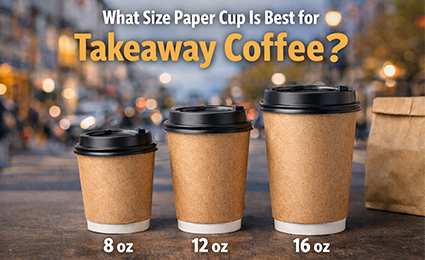
Choosing the right paper cup size for takeaway coffee is a critical decision for coffee shops and beverage brands.
Cup size affects drink formulation, customer expectations, cost control and packaging compatibility.
Unlike dine-in service, takeaway coffee places higher demands on cup performance, consistency, and food delivery.
This guide explains how to select the most suitable paper cup sizes for takeaway coffee and why size selection matters more than many businesses realize.
1. Why Cup Size Matters for Takeaway Coffee
For takeaway coffee, the cup is not just a container—it is part of the overall product experience.
Cup size directly influences:
· Beverage portion control
· Heat retention and holding time
· Lid compatibility
· Customer perception of value
Choosing the wrong size can lead to issues such as inconsistent drink taste, customer complaints, or unnecessary material waste.
2. Most Common Takeaway Coffee Cup Sizes
Although paper cups are available in many sizes, takeaway coffee typically focuses on a limited core range.
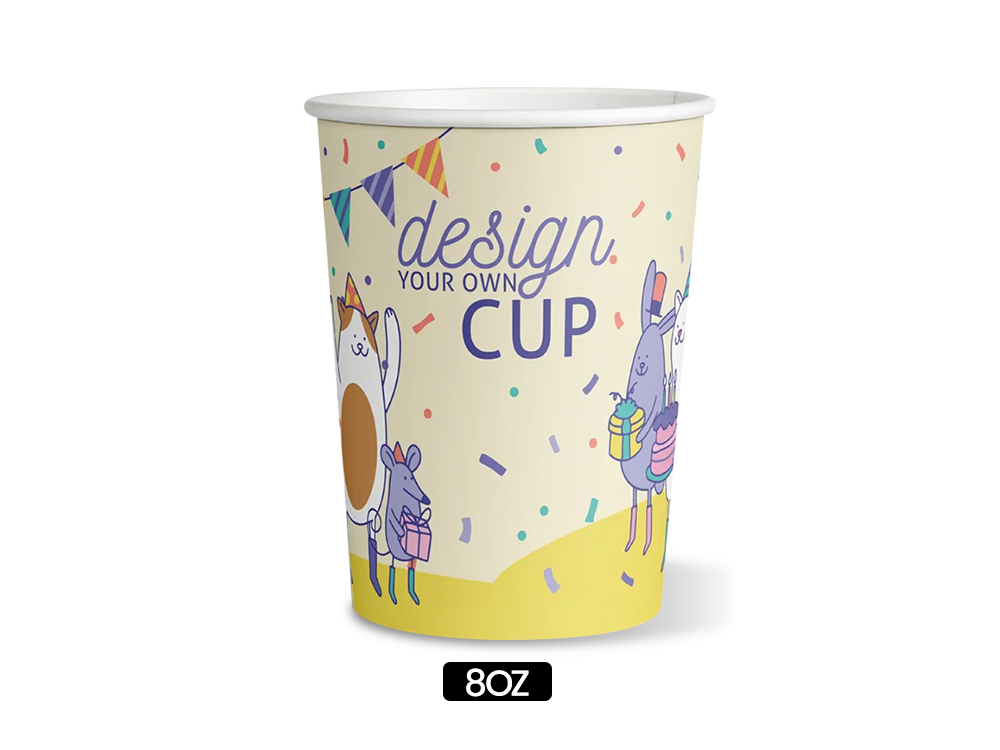
8oz (240ml)
Best for:
· Small hot coffee
· Espresso-based drinks
· Short takeaway distance
Characteristics:
· Compact and lightweigh
· Lower material cost
· Faster heat loss compared to larger cups
8oz cups are popular in markets where customers prefer smaller servings or strong coffee.
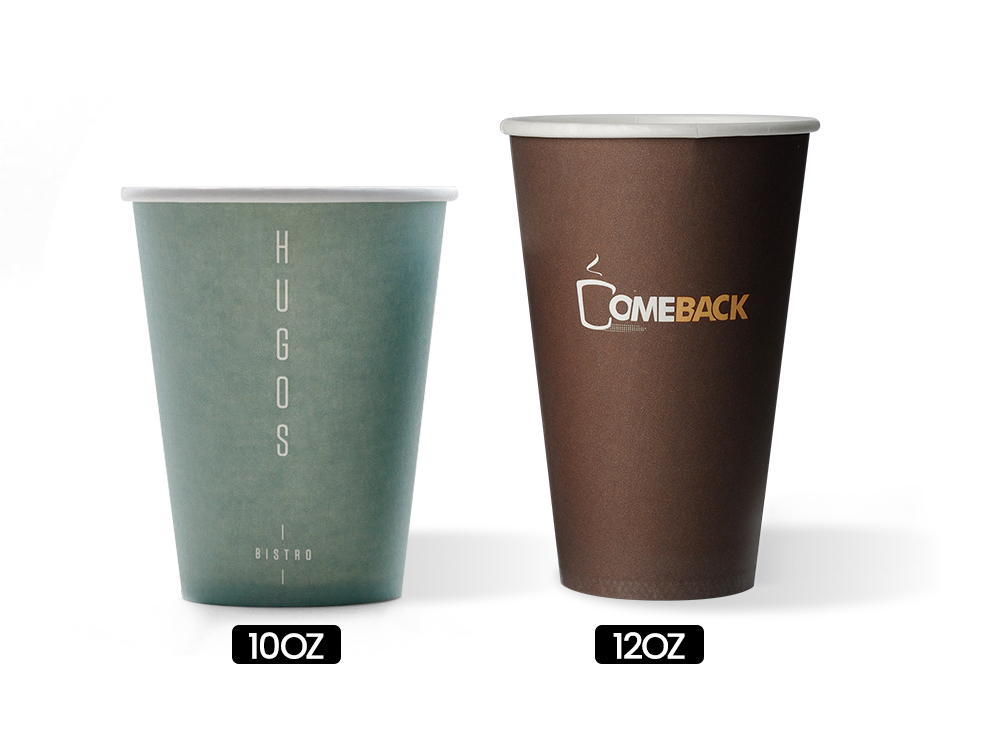
10oz / 12oz (300–360ml)
Best for:
· Standard takeaway coffee
· Americano, latte, cappuccino
· Most coffee shop menus
Characteristics:
· Balanced size for taste and temperature
· Good compatibility with standard lids
· Widely accepted by customers
12oz is often considered the default size for takeaway coffee worldwide.
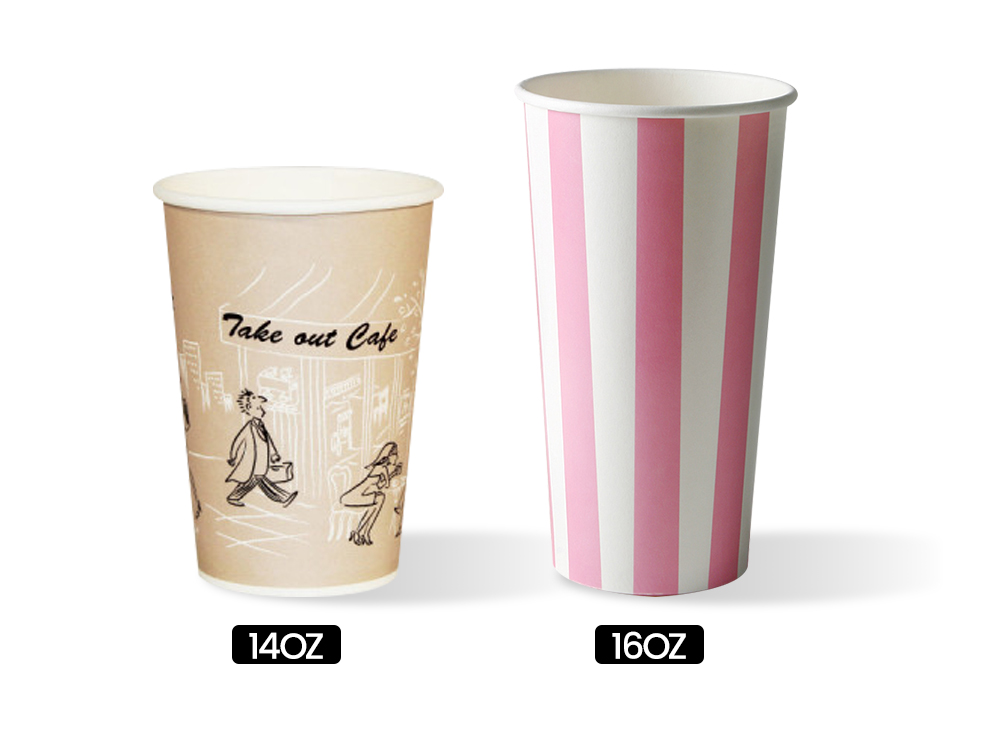
14oz / 16oz (420–480ml)
Best for:
· Milk-based drinks
· Iced-to-hot hybrid menus
· Customers who prefer larger serving
Characteristics:
· Higher paper GSM required
· Greater heat retention
· Higher material and transportation cost
Larger sizes are commonly used in takeaway-heavy or delivery-oriented coffee businesses.
3. Matching Coffee Beverage Types with Cup Sizes
Different coffee beverages require varying volumes of space.
For example:
· Espresso-based drinks require smaller volumes but demand thicker paper cups with superior heat resistance.
· Milk-based beverages require larger volumes and enhanced insulation properties.
· Takeaway coffees often contain milk foam, which affects liquid filling height.
Selecting the correct cup size helps ensure consistent flavor and presentation across all orders.
4. Cup Size and Heat Retention for Takeaway
Heat retention is especially important for takeaway coffee.
Smaller cups:
· Heat Transfer quickly
· Lose heat faster
· Are better suited for short-distance takeaway
Larger cups:
· Retain heat longer
· Require thicker paper or double wall structure
· Are more suitable for delivery or longer holding time
Cup size selection should consider how long the coffee is expected to remain hot before consumption.
5. Paper GSM and Cup Size Relationship
Cup size directly affects paper weight (GSM) requirements.
Typical recommendations include:
· 8oz cups: 190–230gsm
· 10oz–12oz cups: 230–280gsm
· 14oz–16oz cups: 280–350gsm
Using insufficient GSM can cause deformation, leakage, or poor user experience—especially for hot takeaway coffee.
6. Single Wall vs Double Wall Size Considerations
Cup size selection is closely related to cup structure.
Single Wall Cups
· Common for 8oz–12oz takeaway coffee
· Usually paired with paper sleeves
· Lower production cost
Double Wall Cups
· Preferred for 12oz–16oz takeaway coffee
· No additional sleeve required
· Better insulation and grip
Larger takeaway sizes are more frequently produced as double wall cups to improve comfort and safety.
7. Lid Compatibility and Standardization
Lids are a critical component of takeaway coffee packaging.
Each cup size must match:
· Lid diameter
· Drinking hole design
· Sealing tightness
Standardizing cup sizes helps reduce:
· Lid inventory complexity
· match errors
· Customer complaints
Most coffee shops choose 2–3 standardized cup sizes to simplify operations.
8. Impact of Cup Size on Cost and Logistics
Cup size affects more than material cost.
Larger cups:
· Use more paper
· Occupy more storage space
· Increase transportation volume
Smaller cups:
· Reduce shipping cost
· Improve stacking efficiency
· Allow higher production output per run
From a long-term perspective, selecting the right size range helps optimize cost control and supply chain efficiency.
9. How Most Takeaway Coffee Shops Choose Cup Sizes
In practice, many takeaway-focused coffee shops follow a simple structure:
· Small: 8oz
· Medium: 12oz
· Large: 16oz
This approach balances customer choice, inventory efficiency, and production simplicity.
Some brands may reduce this to two sizes to further streamline operations.
Conclusion
There is no single “best” paper cup size for takeaway coffee.
The right choice depends on drink type, customer habits, holding time, cost structure, and production capability.
A well-planned cup size strategy:
· Improves customer satisfaction
· Reduces operational complexity
· Enhances takeaway performance
· Supports long-term scalability
Understanding how cup size interacts with paper material, structure, accessories, and production is essential for building a reliable takeaway coffee packaging solution.