EN
EN



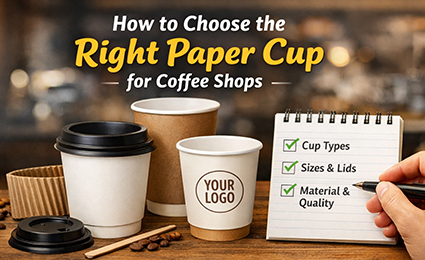
Choosing the right paper cup for a coffee shop is not just about appearance or size.
It directly affects drink quality, user experience, leakage risk, and production stability.
For coffee shops—especially takeaway-focused ones—the paper cup must match drink temperature, usage scenario, and branding needs.
1. Understand the Main Coffee Cup Usage Scenarios
Before selecting a paper cup, it’s important to clarify how the cup will be used.
Typical coffee shop scenarios include:
· Hot coffee for takeaway
· Hot coffee for dine-in
· Specialty drinks (latte, cappuccino, americano)
· Delivery orders with longer holding time
Each scenario places different demands on heat resistance, stiffness, and insulation.
2. Choose the Right Paper Cup Type
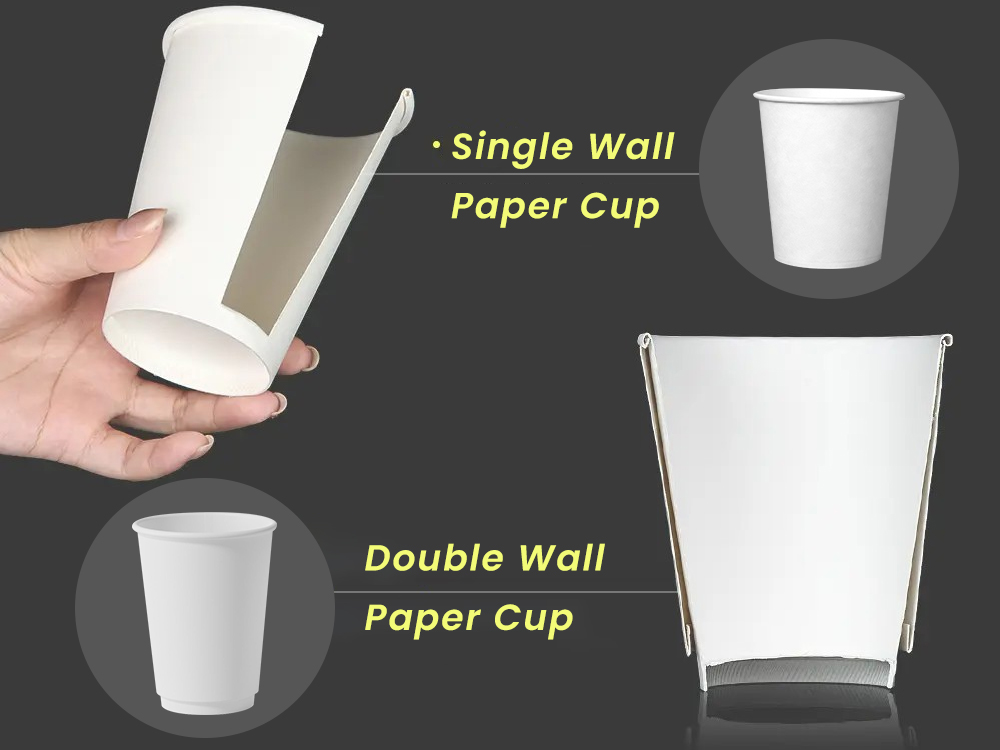
Single Wall Paper Cups
Single wall cups are the most common option for coffee shops.
Best for:
· Regular hot coffee
· Short holding time
· Cost-sensitive operations
Key characteristics:
· Lightweight
· Lower material cost
· Usually used together with a paper cup sleeve for heat insulation
This structure is suitable for shops that want flexibility between cup size and sleeve usage.
Double Wall Paper Cups
Double wall cups consist of an inner cup and an outer layer (sleeve or corrugated wrap).
Best for:
· Hot drinks without additional sleeves
· Premium takeaway coffee
· Customers holding cups for longer time
Key advantages:
· Better heat insulation
· Improved grip comfort
· Higher perceived value
Double wall cups are widely used in branded coffee chains and takeaway-focused stores.
3. Select Proper Paper Material and GSM
Paper quality plays a critical role in cup performance.
Common Paper structure
· Virgin wood pulp paper – preferred for food contact
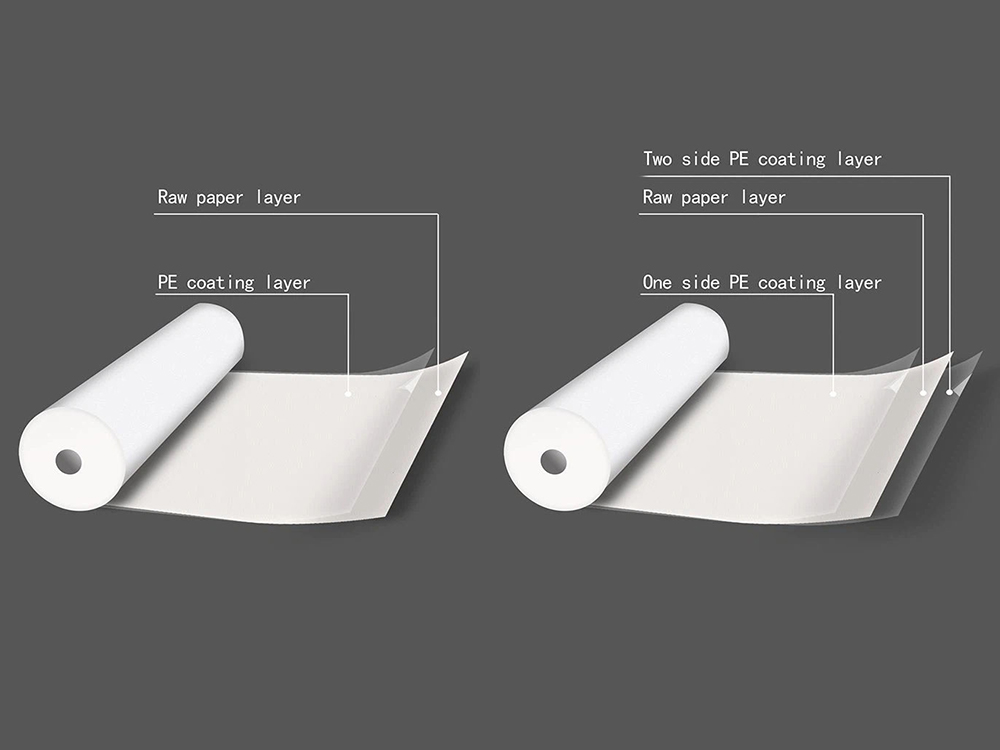
· Single PE coated paper – commonly used for hot coffee cups
· Double PE coated paper – used when higher moisture resistance is required
Recommended GSM Range
For coffee cups, commonly used paper weight includes:
· 190–230gsm for small sizes (6oz–8oz)
· 230–280gsm for medium sizes (10oz–12oz)
· 280–350gsm for large sizes (14oz–16oz)
Choosing the right GSM helps maintain cup rigidity while avoiding unnecessary material cost.
4. Pay Attention to Heat Resistance and Sealing Quality
Coffee is typically served at high temperature, which makes bottom sealing and sidewall bonding critical.
A well-made coffee paper cup should:
· Withstand hot liquid without deformation
· Prevent leakage at the bottom seam
· Maintain shape during holding and transport
Cup performance depends not only on paper, but also on forming process and sealing technology used during production.
5. Choose the Right Cup Size for Coffee Menus
Common coffee cup sizes include:
· 8oz – small coffee or espresso-based drinks
· 10oz / 12oz – standard takeaway coffee
· 14oz / 16oz – large coffee or milk-based drinks
Coffee shops usually offer 2–3 core sizes instead of a full size range, helping simplify inventory and production.
6. Consider Printing and Branding Needs
Paper cups are also an important branding tool.
When selecting cups for coffee shops, consider:
· Logo placement
· Full-wrap vs minimalist design
· Printing method compatibility
Different printing processes require different artwork preparation and material consistency.
Choosing the right cup structure early helps avoid redesign or reprinting issues later.
7. Don’t Overlook Coffee Cup Accessories
A coffee cup rarely works alone.
Accessories play a key role in usability, safety, and customer experience.
Lids
Coffee cups should be compatible with commonly used plastic or paper lids.
Key considerations:
· Secure fit to prevent spills
· Heat-resistant material
· Drinking hole design suitable for hot beverages
Proper lid compatibility reduces complaints and improves takeaway reliability.
Cup Sleeves
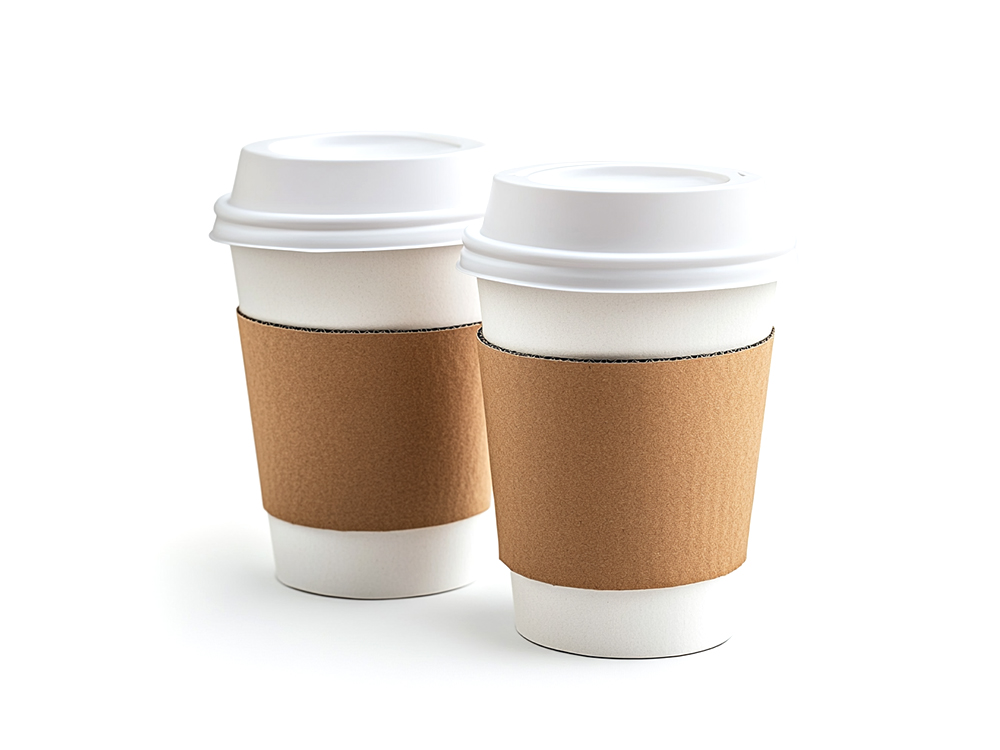
Cup sleeves are especially important for single wall cups.
Benefits include:
· Additional heat insulation
· Improved grip comfort
· Extra space for branding or messaging
Sleeves also allow shops to use standard cups across multiple drink types.
Stir Sticks and Sugar Packaging
Small accessories like stir sticks and sugar packets complete the coffee service experience.
They should match:
· Cup size
· Lid opening
· Takeaway packaging format
Consistency across accessories helps present a professional brand image.
8. Matching Cup Design with Production Solutions
For the upcoming production of coffee cups, we ensure the selected cup design aligns with the capabilities of our production equipment.
Key factors include:
· Range of paper thicknesses supported by the machine
· Flexibility of the machine regarding cup dimensions
· Long-term stable continuous operation performance
· Whether a cup sleeve machine or packaging machine is required
Precise alignment between cup design and equipment ensures stable production quality and enhanced manufacturing efficiency.
Conclusion
Choosing the right paper cup for coffee shops is about more than aesthetics.
It involves building a complete, functional beverage packaging solution, including the cup, accessories, and production process.
A well-chosen coffee cup solution:
· Enhances drink quality and customer comfort
· Reduces leakage and transportation risks
· Supports branding consistency
· Ensures stable and scalable production
Understanding these fundamentals helps coffee businesses and manufacturers create reliable, professional coffee cup systems.