EN
EN



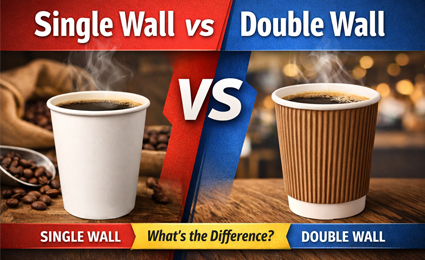
Single wall and double wall paper cups are two of the most commonly used paper cup structures in the beverage industry.
While they may look similar at first glance, the differences between them have a direct impact on heat insulation, user comfort, production process, and overall cost.
Understanding these differences is essential for coffee shops, beverage brands, and manufacturers when selecting the right cup solution.
1. What Is a Single Wall Paper Cup?
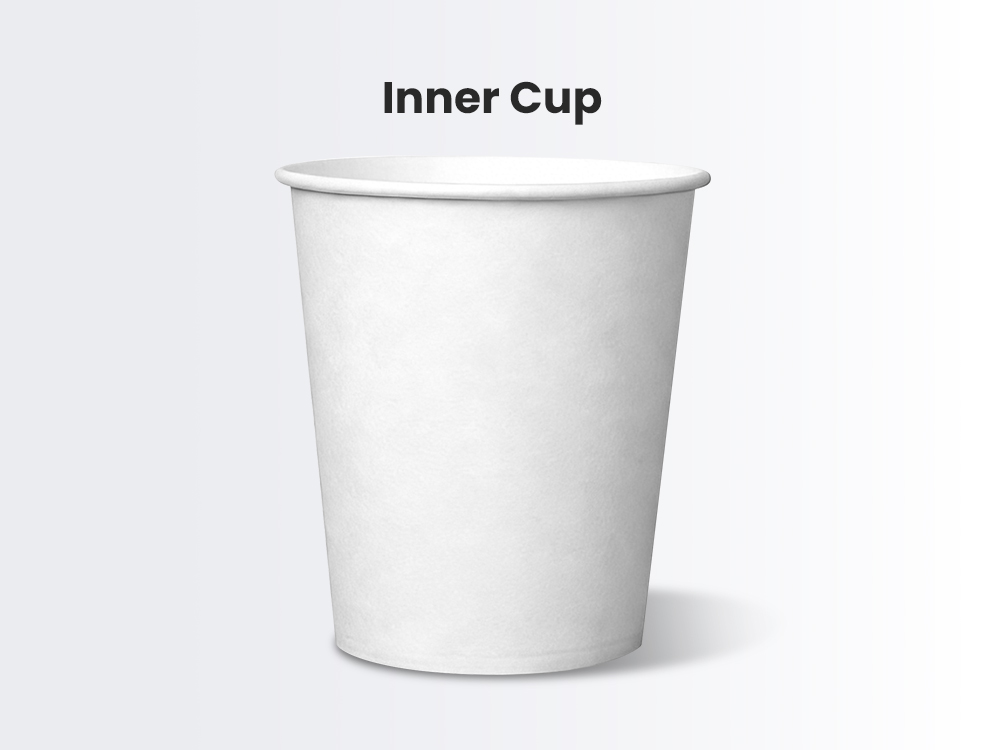
A single wall paper cup is made from one layer of paper, usually with a PE-coated inner surface to ensure liquid resistance.
Key Characteristics
· Lightweight structure
· Lower material consumption
· Simple forming process
· Commonly used with a separate cup sleeve
Single wall paper cups are widely used for hot beverages such as coffee and tea, especially in cost-sensitive or high-volume operations.
2. What Is a Double Wall Paper Cup?
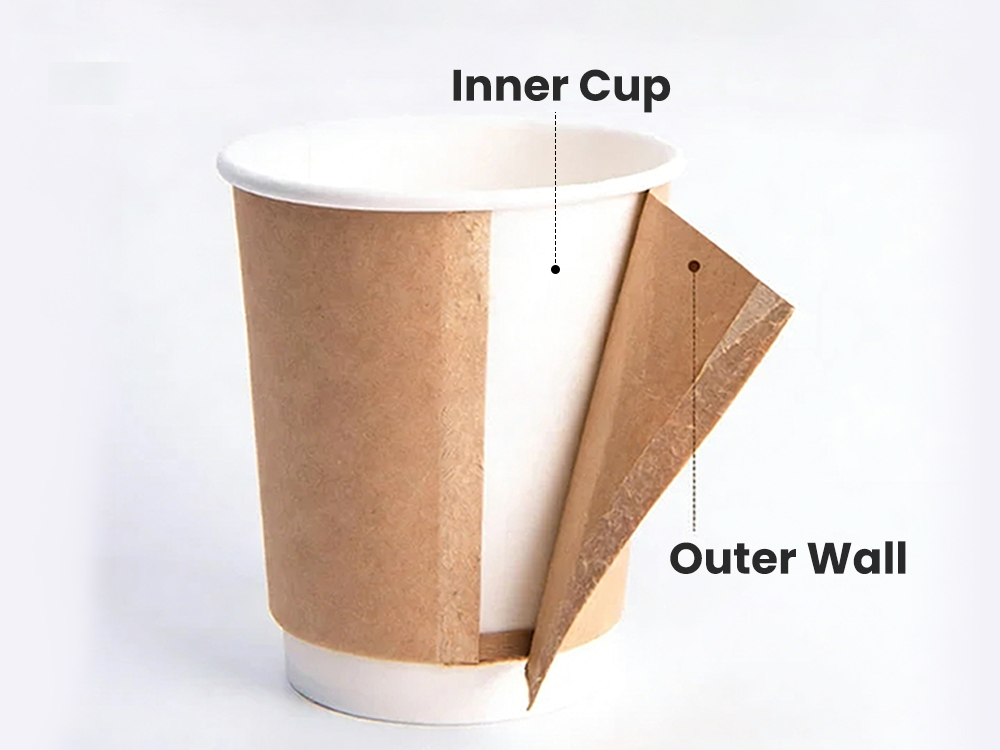
A double wall paper cup consists of two layers:
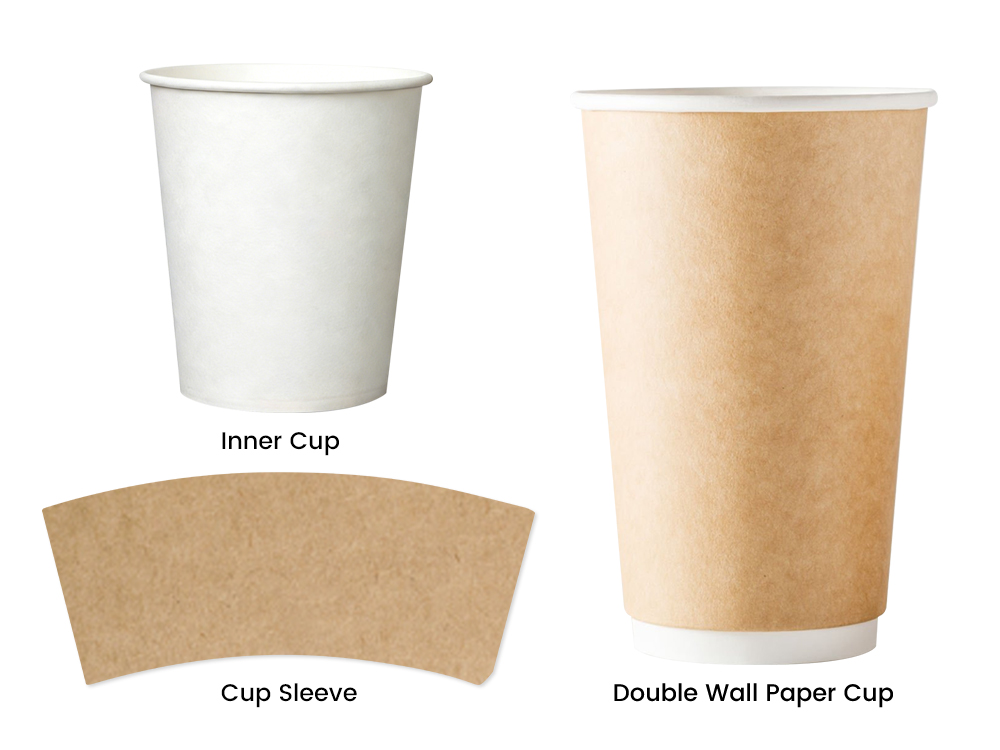
an inner cup and an outer layer, which may be smooth paper or corrugated paper.
Common Double Wall Structures
· Smooth double wall cups (outer sleeve wrapped around the inner cup)
· Corrugated (ripple) double wall cups for enhanced grip and insulation
Key Characteristics
· Improved heat insulation
· Better grip comfort
· More premium appearance
· No additional sleeve required
Double wall cups are commonly used for takeaway coffee, specialty drinks, and branded beverage services.
3. Heat Insulation and User Comfort
One of the most noticeable differences between single and double wall paper cups is heat insulation.
Single Wall Cups
· Heat transfers directly to the outer surface
· Usually require a paper sleeve for hot drinks
· Suitable for short holding time
Double Wall Cups
· Air gap between layers reduces heat transfer
· Comfortable to hold without extra accessories
· Better suited for takeaway and delivery
For hot coffee served at high temperatures, double wall cups generally provide a better customer experience.
4. Material Usage and Cost Considerations
Material consumption plays a significant role in cost and production planning.
Single Wall Cups
· Use less paper per cup
· Lower unit material cost
· Require additional sleeves if insulation is needed
Double Wall Cups
· Higher paper consumption
· Higher production and material cost
· No need for separate sleeves
The overall cost difference depends on cup size, paper GSM, and production scale.
5. Production Process and Equipment Differences
From a manufacturing perspective, the two cup types require different production setups.
Single Wall Paper Cups
· Produced using standard paper cup machines
· Simpler forming and sealing process
· Higher production speed in many cases
Double Wall Paper Cups
· Require additional processes to attach the outer layer
· Often produced using a paper cup machine combined with a sleeve machine
· More steps but higher product value
Choosing the right production solution ensures stable quality and efficient output.
6. Printing and Branding Possibilities
Printing requirements differ between single and double wall cups.
Single Wall Cups
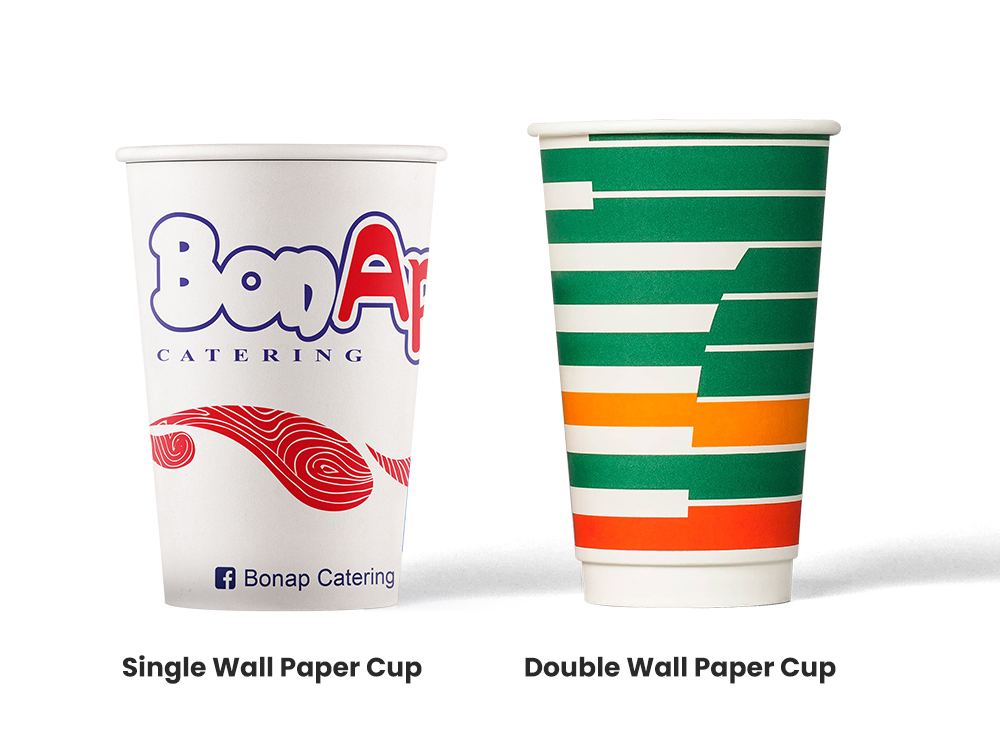
· Printing is done directly on the cup body
· Suitable for simple logos or full-wrap designs
· Limited insulation design flexibility
Double Wall Cups
· Printing is performed on the outer wall of the cup.
· The inner cup is typically white, but can also be printed.
· Suitable for textured, embossed, or premium branding
· Better visual impact for takeaway drinks
Double wall cups are often preferred for branding-focused beverage businesses.
7. Size and Application Differences
Both cup types are available in multiple sizes, but their typical applications differ.
Common Sizes for Single Wall Cups
Single-wall cups can typically be made in any size, such as 2.5 oz to 22 oz.
Common Applications for Single Wall Cups
· Dine-in coffee
· Short takeaway use
· Tea and warm beverages
· Cost-sensitive markets
Common Sizes for Double Wall Cups
Double-walled cups typically measure 8 oz or larger, as smaller sizes cannot accommodate the cup sleeve.
Common Applications for Double Wall Cups
· Takeaway coffee
· Delivery orders
· Premium beverages
· High-temperature drinks
Application scenarios and cup size often determine which structure is more suitable.
8. Which One Should You Choose?
The choice between single wall and double wall paper cups depends on several factors:
· Beverage temperature
· Holding time
· Branding goals
· Cost expectations
There is no universal “better” option—only the right choice for the right application.
Conclusion
Single wall and double wall paper cups are designed for different beverage service needs.
Their differences extend beyond appearance to include thermal performance, structural stability, production complexity, logistics impact, and long-term cost considerations.
Choosing the right cup structure helps businesses:
· Improve customer comfort
· Reduce operational risks
· Optimize production efficiency
· Align packaging with brand positioning
Understanding these differences is essential for making informed, sustainable paper cup decisions.