EN
EN



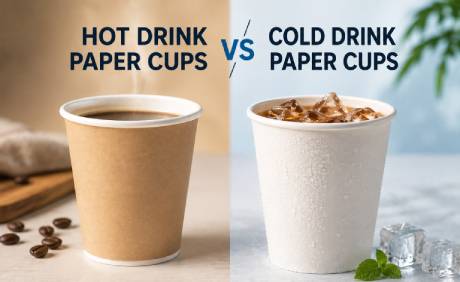
Hot drink paper cups and cold drink cups may look similar, but they are designed for different beverage applications. The temperature of the beverage, cup structure, coating, lid design, and expected usage conditions can all affect which paper cup is the better choice.
For coffee shops, milk tea shops, juice stores, restaurants, and takeaway businesses, understanding the differences between hot and cold drink cups can help improve packaging performance and customer experience.
1. What Are Hot Drink Paper Cups?
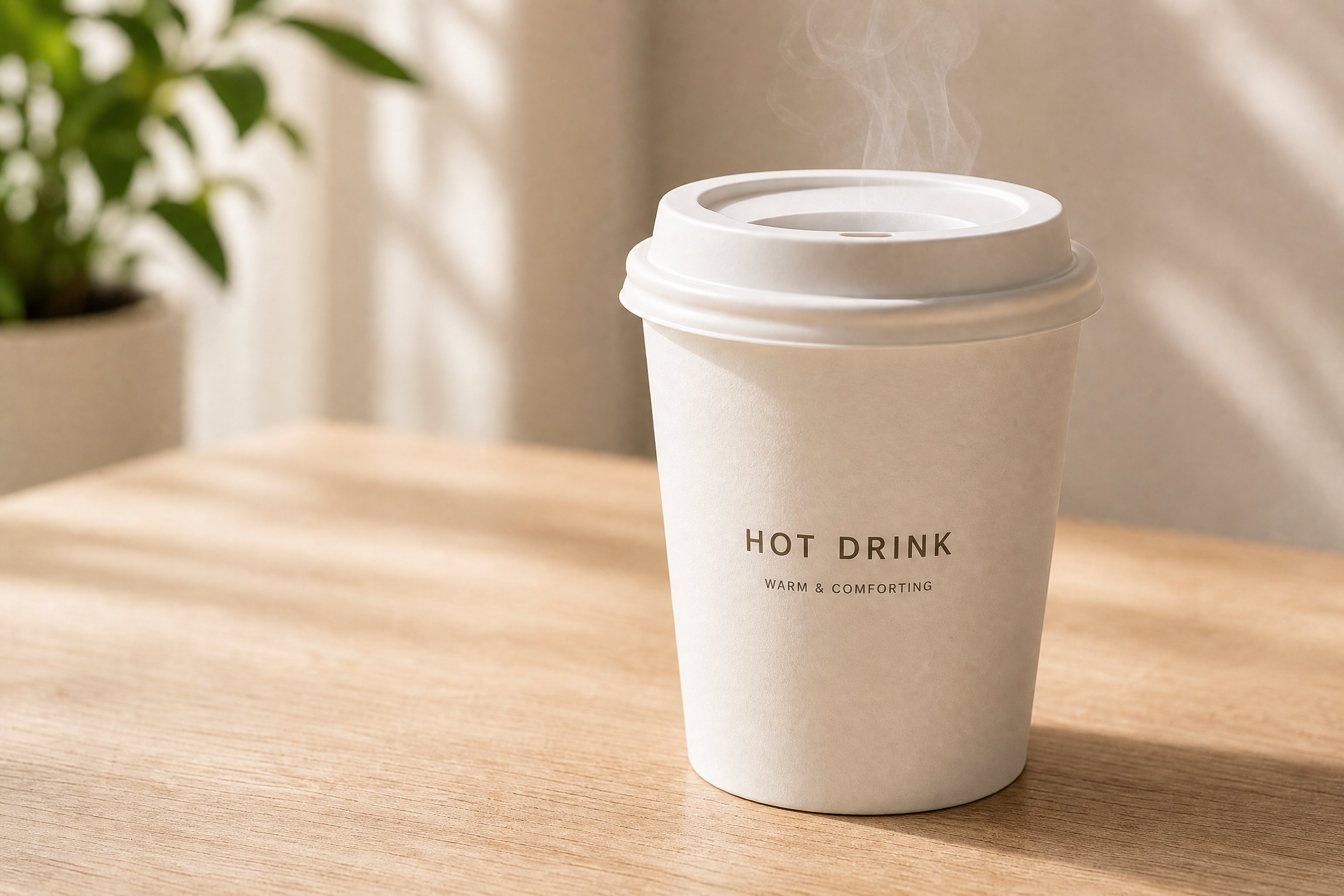
Hot drink paper cups are designed for beverages such as coffee, tea, hot chocolate, cappuccino, latte, and other warm drinks.
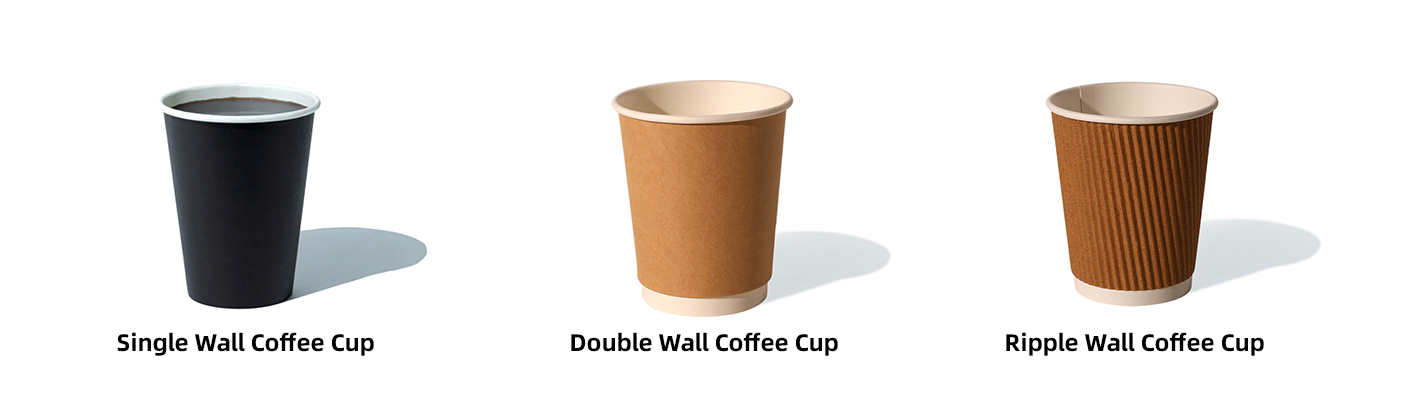
Because hot beverages transfer heat to the outside of the cup, heat resistance and insulation are important considerations. The most common structures include single wall, double wall, and ripple wall paper cups.
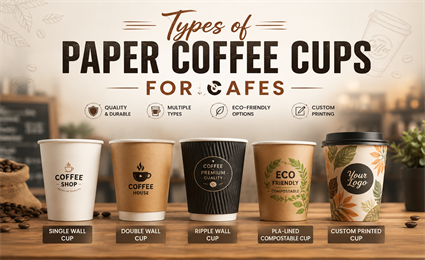
Single wall paper cups are a practical choice for everyday applications and cost-sensitive beverage businesses. Double wall paper cups provide an additional layer of insulation, while ripple wall cups use a corrugated outer layer to improve insulation and provide a distinctive appearance.
For takeaway coffee, choosing the appropriate cup structure can make the beverage more comfortable and safer to hold.
2. What Are Cold Drink Cups?
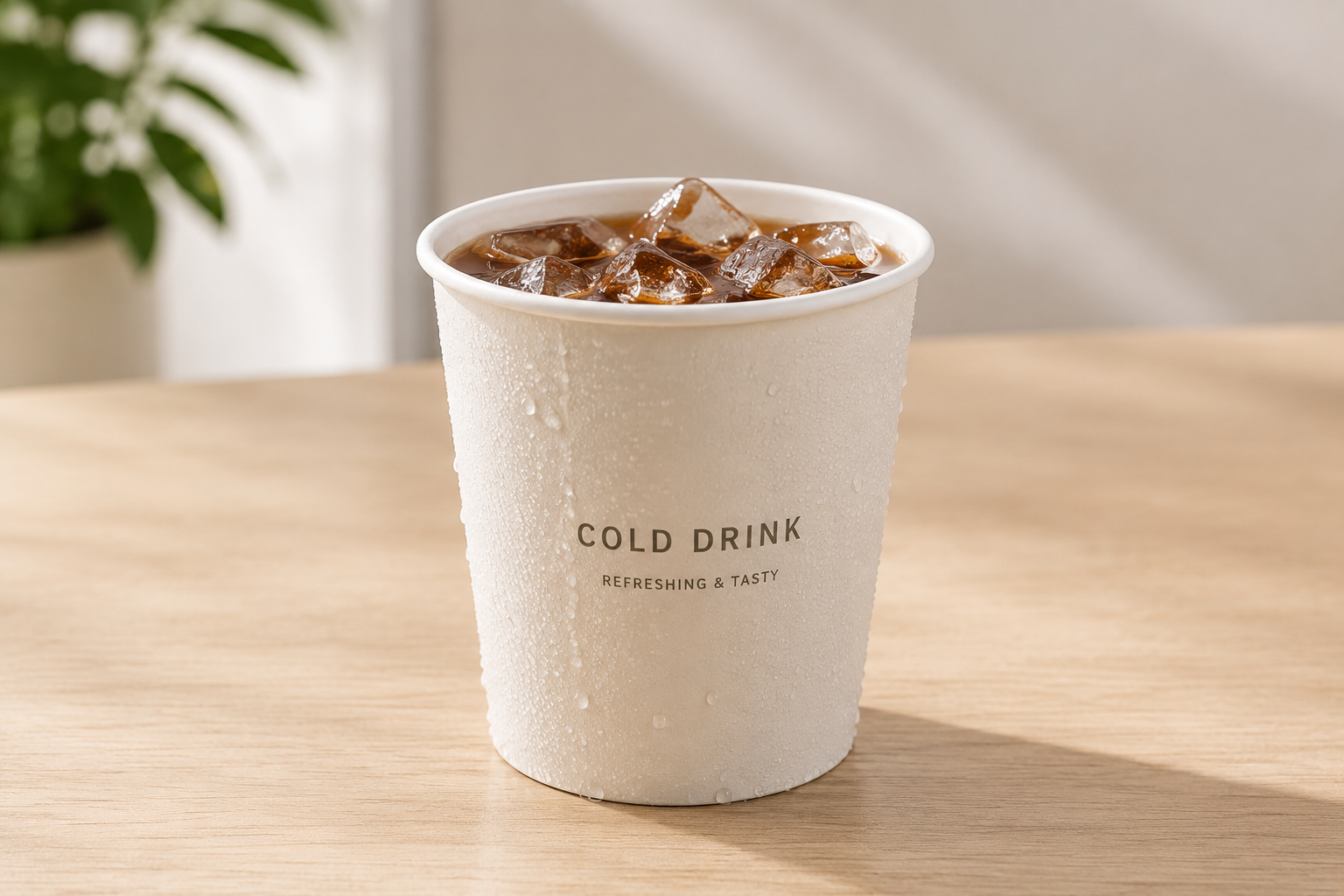
Cold drink cups are commonly used for iced coffee, iced tea, juice, lemonade, milk tea, soft drinks, and other chilled beverages.
Unlike hot beverages, cold drinks do not create the same problem of heat transfer to the customer's hands. Instead, one of the main concerns is condensation.
When a cold beverage or ice is placed inside the cup, moisture from the surrounding air can form on the outside surface. If the cup is not suitable for the application, it may become wet or uncomfortable to hold.
Cold beverage packaging therefore needs to provide good moisture resistance, liquid resistance, and structural strength.
3. Hot Drink Paper Cups vs Cold Drink Cups: Key Differences
The main difference is the type of protection required by the beverage.
| Feature | Hot Drink Paper Cups | Cold Drink Cups |
| Typical beverages | Coffee, tea, hot chocolate | Iced coffee, juice, milk tea, soft drinks |
| Main concern | Main concern | Moisture and condensation |
| Insulation | Very important | Usually less important |
| Cup structures | Single wall, double wall, ripple wall | Mainly single wall or application-specific structures |
| Coating | PE, PLA, or other suitable coatings | PE, PLA, or other suitable coatings |
| Lid types | Sip lids | Flat lids, dome lids, straw-compatible lids |
| Customer comfort | Protects hands from heat | Reduces problems caused by moisture |
| Common applications | Coffee shops, takeaway coffee | Juice shops, milk tea shops, cold beverage stores |
his comparison shows why the same paper cup specification may not be ideal for every beverage.
4. Why Cup Structure Matters
Cup structure is particularly important for hot beverages.
Single Wall Paper Cups
Single wall cups consist of one main paper layer. They are widely used for coffee, tea, and other takeaway beverages where cost efficiency is important.
They are also suitable when a cup sleeve can be added for additional hand protection.
Double Wall Paper Cups
Double wall cups use an additional paper layer to improve insulation. The extra layer helps reduce heat transfer from the beverage to the outside surface.
They are commonly used for takeaway coffee and premium beverage applications where customer comfort is important.
Ripple Wall Paper Cups
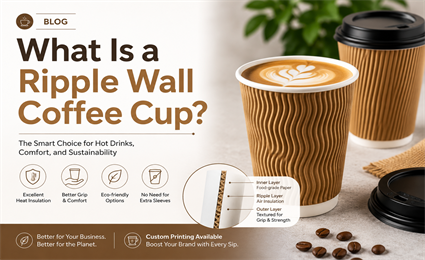
Ripple wall cups have a corrugated outer layer that creates an insulating air space. In addition to providing insulation, the ripple structure gives the cup a distinctive and premium appearance.
For specialty coffee shops and branded takeaway beverages, ripple wall cups can combine functionality and visual appeal.
5. Coating: An Important Factor for Both Hot and Cold Drinks
The coating is another important part of paper cup performance.
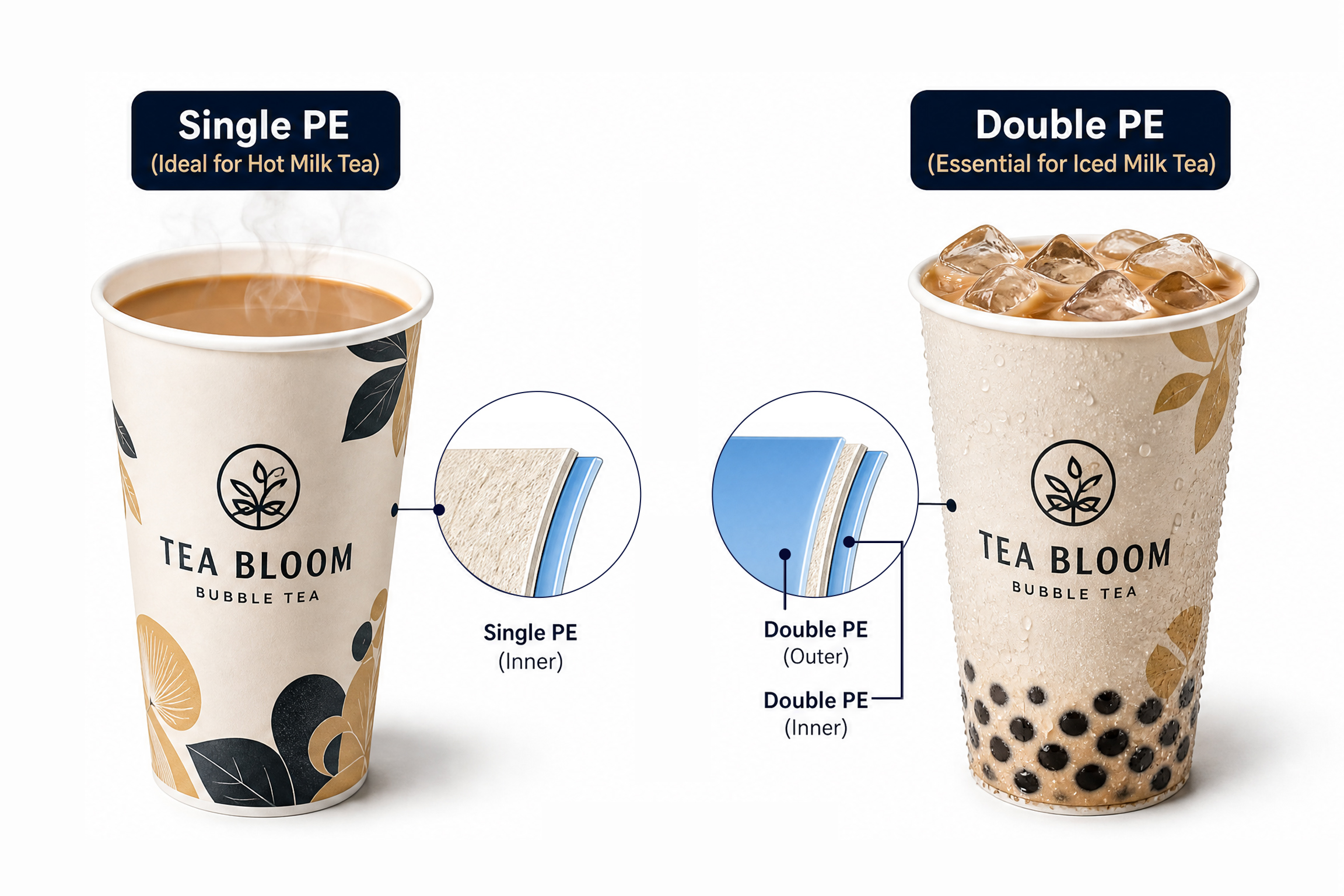
Common coating options include PE coating and PLA coating. The coating helps prevent liquid from penetrating the paper and provides better resistance to moisture.
For hot beverages, the coating needs to remain reliable when exposed to hot coffee, tea, or other warm liquids.
For cold beverages, the cup may be exposed to liquid and condensation for a longer period. The paper material and coating therefore need to be selected according to the intended application.
However, coating should not be considered separately from the rest of the cup. Paper grade, coating, cup structure, beverage temperature, and serving time should all be evaluated together.
6. Lid Design for Hot and Cold Drinks
The lid is another major difference between hot and cold beverage packaging.
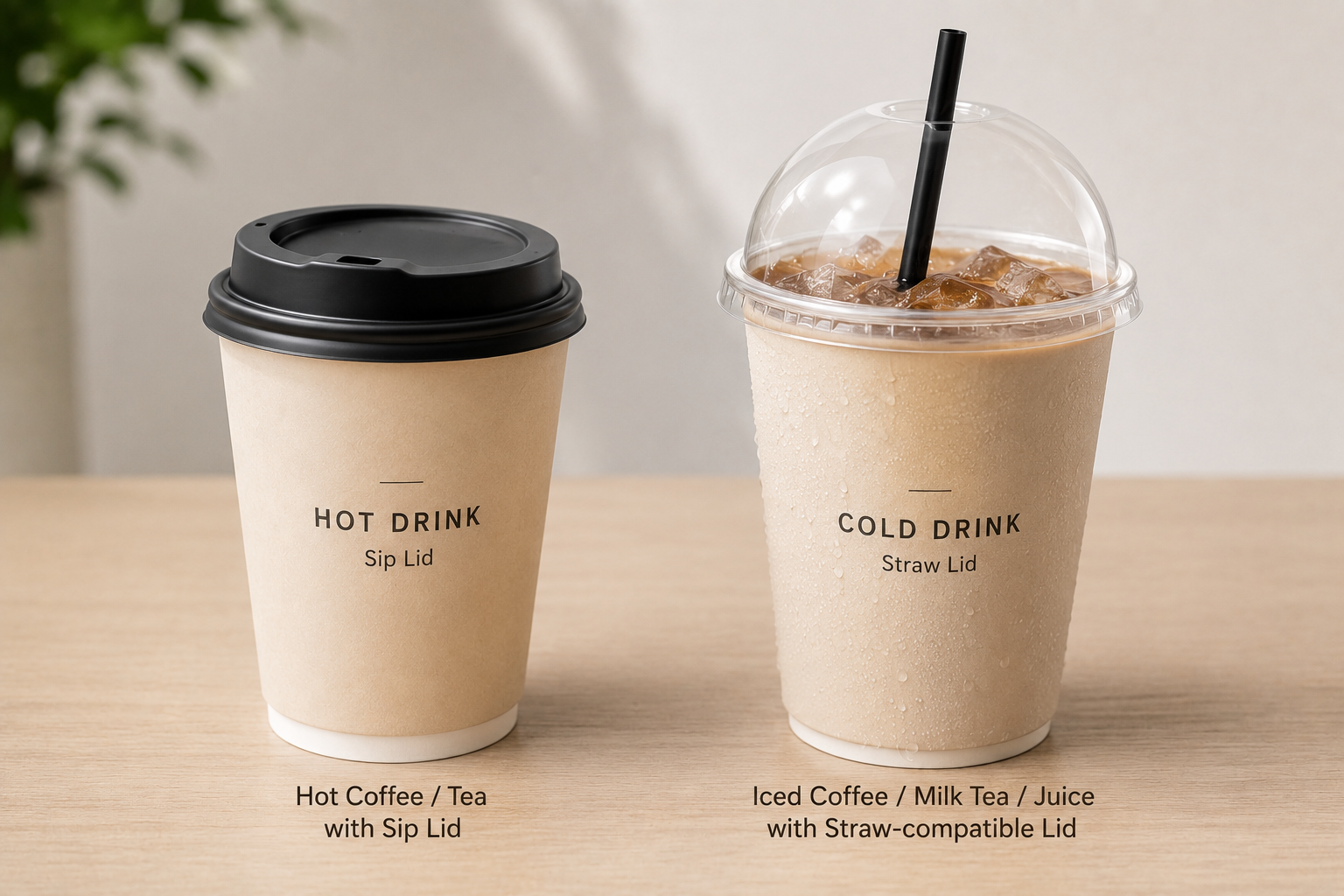
Hot coffee and tea commonly use sip lids. These lids allow customers to drink directly from the cup while helping reduce spills during takeaway transportation.
Cold beverages can use flat lids, dome lids, or straw-compatible lids depending on the drink.
For example, an iced coffee may use a flat lid with a drinking or straw opening, while smoothies, milk tea with toppings, or drinks with whipped cream may require a dome lid.
The cup and lid should always be matched according to the cup rim diameter, beverage type, and serving method.
7. Which Cup Should You Choose?
The simplest way to choose is to start with the beverage application.
Choose hot drink paper cups when:
· You mainly serve coffee, tea, or other hot beverages.
· Heat insulation and hand comfort are important.
· You need single wall, double wall, or ripple wall options.
· You use takeaway coffee lids.
Choose cold drink cups when:
· You mainly serve iced coffee, juice, milk tea, or soft drinks.
· Condensation and moisture resistance are important.
· You need straw-compatible or dome lids.
· The beverage may contain ice or remain in the cup for an extended period.
Conclusion
Hot drink paper cups and cold drink cups may have a similar appearance, but their performance requirements are different.
Hot drink paper cups focus mainly on heat protection, insulation, and comfortable handling, while cold drink cups focus more on moisture resistance, condensation, structural strength, and suitable lid designs.
When selecting paper cups, businesses should consider more than beverage temperature. Cup structure, paper material, coating, size, lid compatibility, printing requirements, and intended application should all be considered together.
For businesses serving both hot and cold beverages, dedicated cup specifications can provide better performance and a more consistent customer experience.