EN
EN



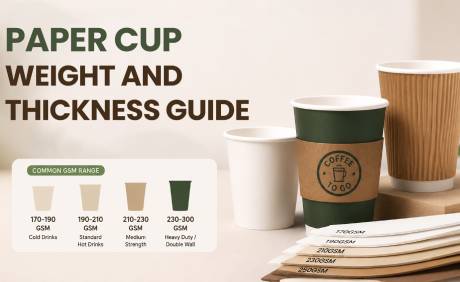
Understanding paper cup weight and thickness is essential for choosing the right packaging for coffee shops, beverage brands, and food service businesses. The performance, durability, insulation, and even branding quality of a paper cup all depend on its material structure, paper GSM, and coating type.
In this guide, we will explain everything you need to know about paper cup thickness, paper weight (GSM), and how to choose the right specification for your business.
1. What Does Paper Cup Weight Mean? (GSM Explained)
Paper cup weight is usually measured in GSM (grams per square meter), which refers to the density of the paper used in the cup.
· Lower GSM = thinner paper, lighter cup
· Higher GSM = thicker paper, stronger cup
Typical paper cup GSM ranges:
· 170–190 GSM: Light-duty cold drink cups
· 190–210 GSM: Standard single-wall coffee cups
· 210–230 GSM: Medium-strength hot drink cups
· 230–300 GSM: Heavy-duty cups (double wall or ripple wall)
2. Paper Cup Thickness Structure
Paper cup thickness is not just about the paper itself. It includes multiple layers:
1) Base Paper Layer
This is the core material that determines strength and stiffness.
2) PE Coating Layer (Polyethylene)
A thin plastic coating that makes the cup:
· Waterproof
· Leak-resistant
· Heat-resistant (for hot drinks)
3) Optional Double Wall or Ripple Layer
Added for insulation and comfort.
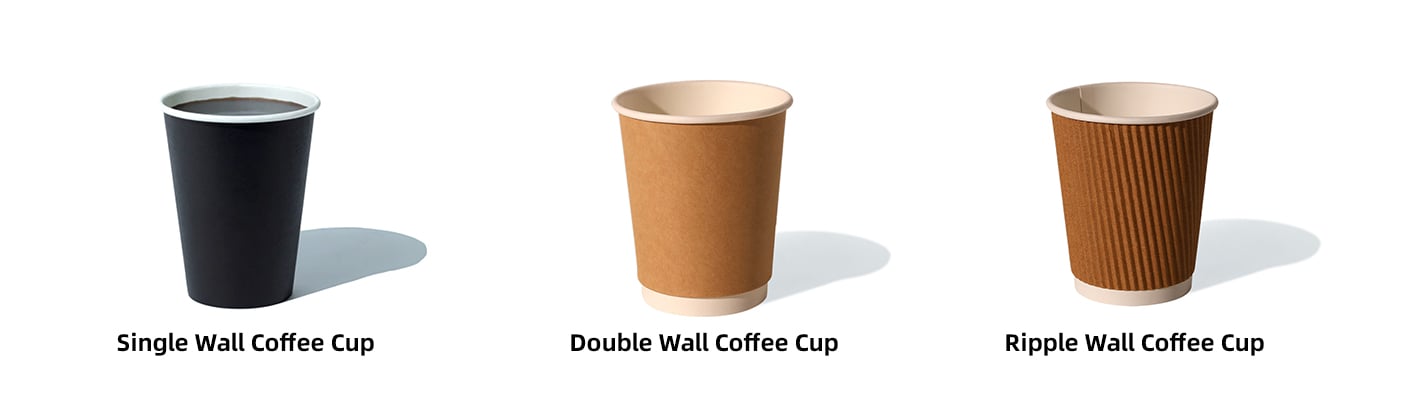
· Single wall: basic structure
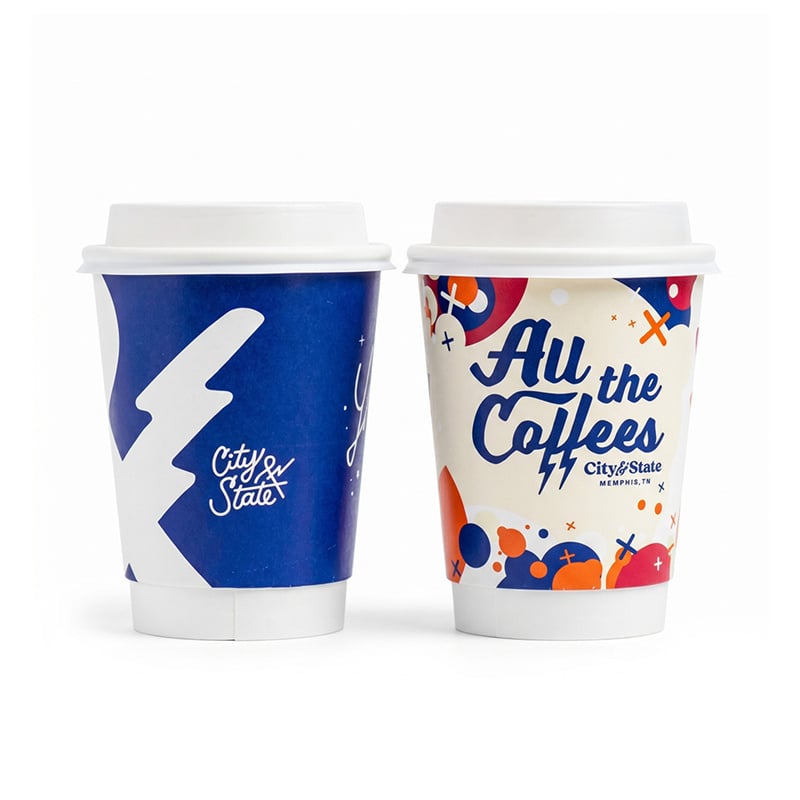
· Double wall: two layers of paper for heat protection
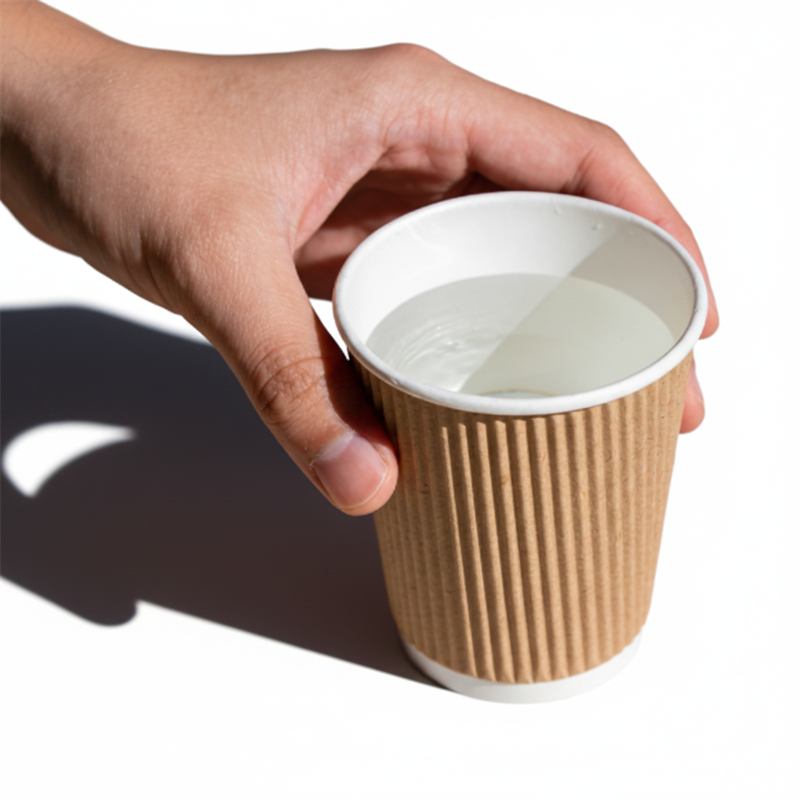
· Ripple wall: corrugated outer layer for grip and insulation
3. How Paper Thickness Affects Performance
The thickness of a paper cup directly affects its usability in real-world applications.
Heat Resistance
Thicker cups:
· Reduce heat transfer
· Prevent hand burns
· Improve drinking comfort
Durability
Higher GSM paper:
· Prevents deformation
· Reduces leakage risk
· Improves stacking strength
Printing Quality
Smoother and thicker paper allows:
· Better color absorption
· More detailed branding design
· Premium appearance
4. Common Paper Cup Weight Standards by Type
Different cup types require different GSM levels:
Single Wall Coffee Cups
· 190–210 GSM
· Suitable for takeaway coffee, tea, water
Double Wall Cups
· 230–280 GSM (combined layers)
· Better insulation, no sleeve required
Ripple Wall Cups
· 230–300 GSM
· Premium feel, strong grip, ideal for hot drinks
Ice Cream & Cold Drink Cups
· 170–200 GSM
· Focus on shape stability, not heat resistance
5. PE Coating Thickness and Its Role
PE coating is a critical factor often overlooked.
Common PE types:
· Single PE coating: one side coated (standard hot drinks)
· Double PE coating: both sides coated (cold drinks or liquid-heavy use)
Key benefits:
· Prevents leakage
· Improves cup lifespan
· Ensures safe food contact
However, thicker PE coating does not always mean better quality—it must be balanced with paper GSM and cup structure.
6. How to Choose the Right Paper Cup Thickness
When selecting paper cup weight and thickness, consider the following:
1. Beverage Temperature
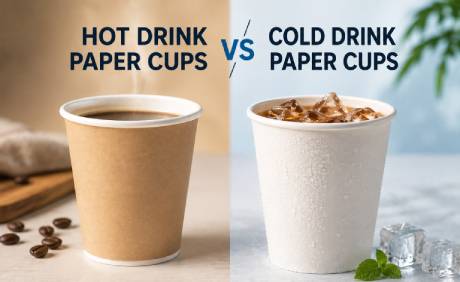
· Hot drinks → higher GSM + insulation layer
· Cold drinks → lower GSM + moisture resistance
2. Usage Duration
· Immediate consumption → standard GSM
· Delivery/takeaway → thicker structure required
3. Brand Positioning
· Economy brands → single wall cups
· Premium brands → double wall or ripple cups
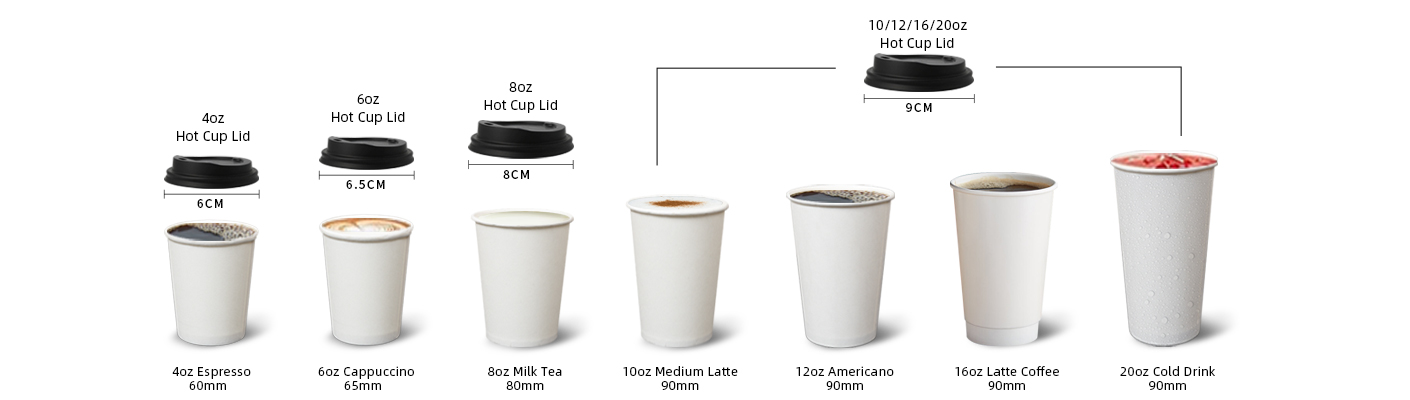
4. Cup Size
Larger cups require higher GSM to maintain structure stability.
7. Paper Cup Weight vs Cup Size Relationship
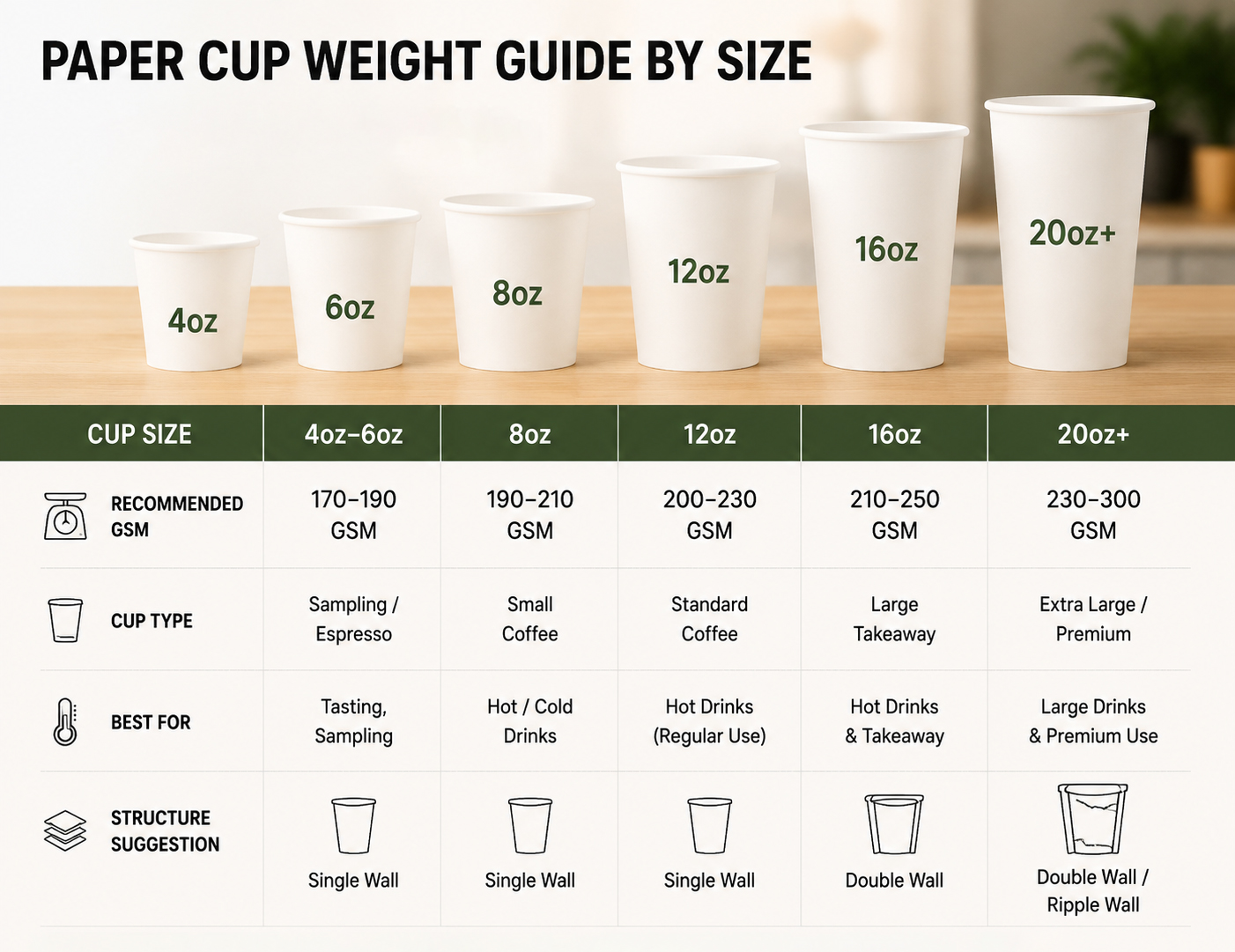
| Cup Size | Recommended GSM | Cup Type |
| 4oz–6oz | 170–190 GSM | Sampling / espresso |
| 8oz | 190–210 GSM | Small coffee |
| 12oz | 200–230 GSM | Standard coffee |
| 16oz | 210–250 GSM | Large takeaway |
| 20oz+ | 230–300 GSM | Extra large / premium |
8. Common Mistakes When Choosing Paper Thickness
Many buyers make the following mistakes:
1. Choosing too thin paper to save cost
→ leads to leakage and deformation
2. Overusing thick cups for cold drinks
→ increases cost without benefit
3. Ignoring coating type
→ causes leakage or weak structure
4. Not matching cup size with GSM
→ large cups become unstable if too thin
9. How Manufacturers Control Cup Thickness Quality
Professional production ensures consistency through:
· Automated paper cutting and forming machines
· Strict GSM testing before production
· PE coating thickness calibration
· Pressure and leakage testing
· Random sampling inspection
10. Conclusion
Paper cup weight and thickness are not just technical details—they directly affect product performance, customer experience, and brand quality.
To summarize:
· GSM determines paper strength
· PE coating ensures waterproof performance
· Structure (single/double/ripple) defines insulation
· Cup size influences required thickness
Choosing the right combination ensures your paper cups are both cost-efficient and high-performing.