EN
EN



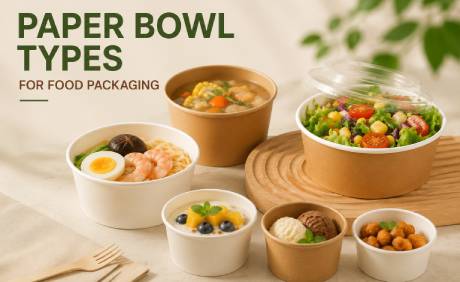
When choosing food packaging solutions, paper bowls have become one of the most popular options for restaurants, takeaway businesses, catering companies, and food brands. With advantages such as convenience, lightweight structure, and customization possibilities, paper bowls are widely used for serving soups, salads, noodles, desserts, snacks, and other ready-to-eat foods.
However, not all paper bowls are the same. Different applications require different materials, structures, and designs. Understanding the main paper bowl types can help businesses select the right packaging solution for their products.
This guide explains the most common types of paper bowls for food packaging and how they are used in different food service applications.
What Is a Paper Bowl?
A paper bowl is a disposable food container made from food-grade paperboard with a protective coating layer. The coating helps improve water resistance, oil resistance, and durability, allowing the bowl to safely hold different types of hot and cold foods.
Modern paper bowls are commonly produced using materials such as PE-coated paper, PLA-coated paper, or other environmentally friendly barrier materials. They can also be customized with printed logos, brand colors, and unique designs to enhance product presentation.
Common Types of Paper Bowls for Food Packaging
1. Soup Paper Bowls
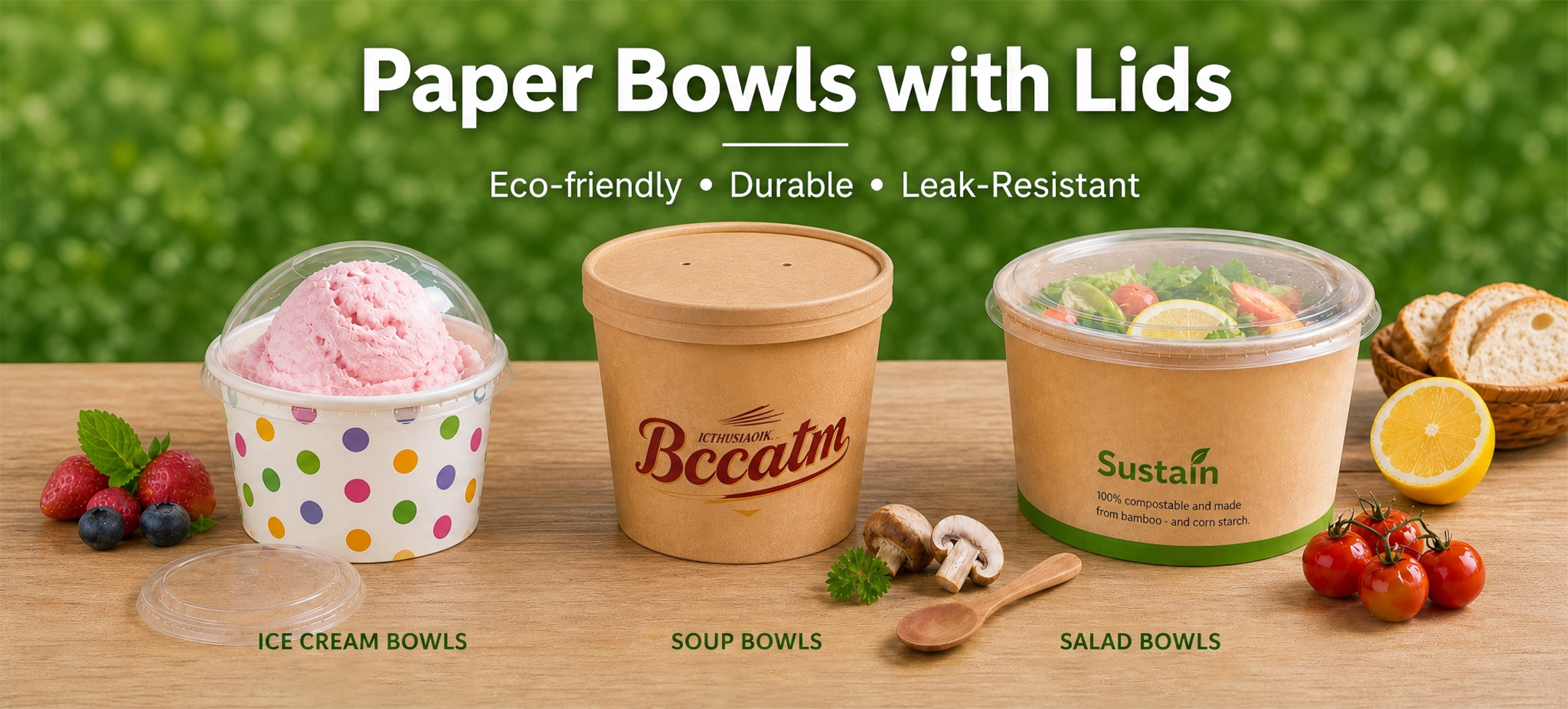
Soup paper bowls are designed for liquid-based foods such as soups, broths, ramen, and stews. They usually feature a thicker paper structure and strong leak resistance to prevent liquid penetration.
Key features:
· Excellent heat resistance
· Strong sidewall structure
· Suitable for hot foods
· Compatible with paper bowl lids
Common applications:
· Restaurants
· Fast food stores
· Asian cuisine businesses
· Takeaway soup services
Soup bowls are often paired with secure lids to improve transportation safety for delivery and takeaway orders.
2. Salad Paper Bowls
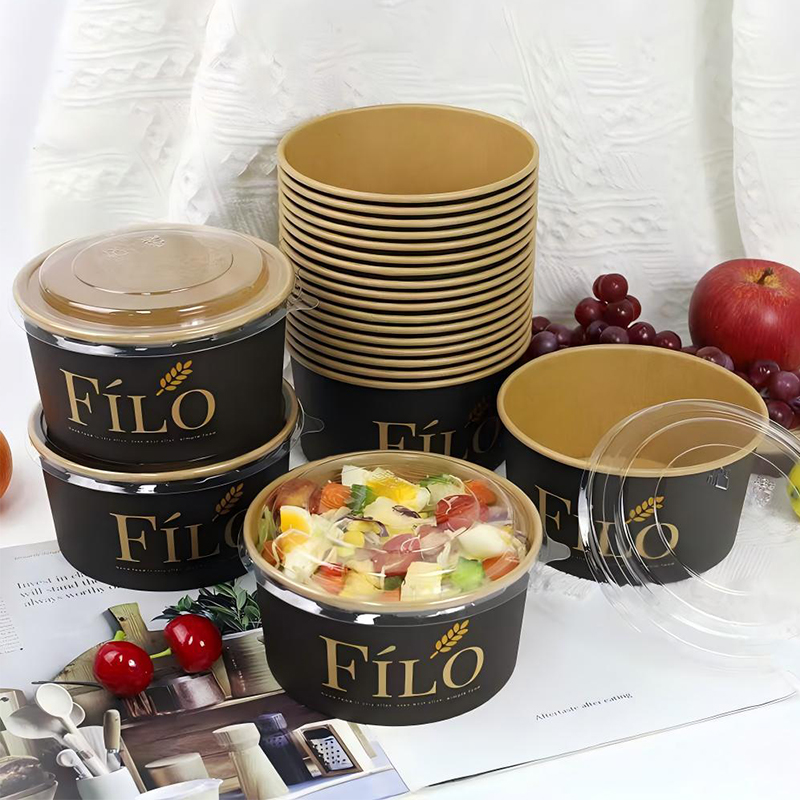
Salad paper bowls are widely used for fresh food packaging, including salads, fruits, yogurt, and cold dishes.
Compared with soup bowls, salad bowls usually focus more on appearance and presentation. Many brands choose wider openings and larger sizes to create a premium food display effect.
Key features:
· Wide opening design
· Suitable for cold foods
· Easy food visibility
· Available with transparent lids
Common applications:
· Healthy food brands
· Salad restaurants
· Cafes
· Supermarkets
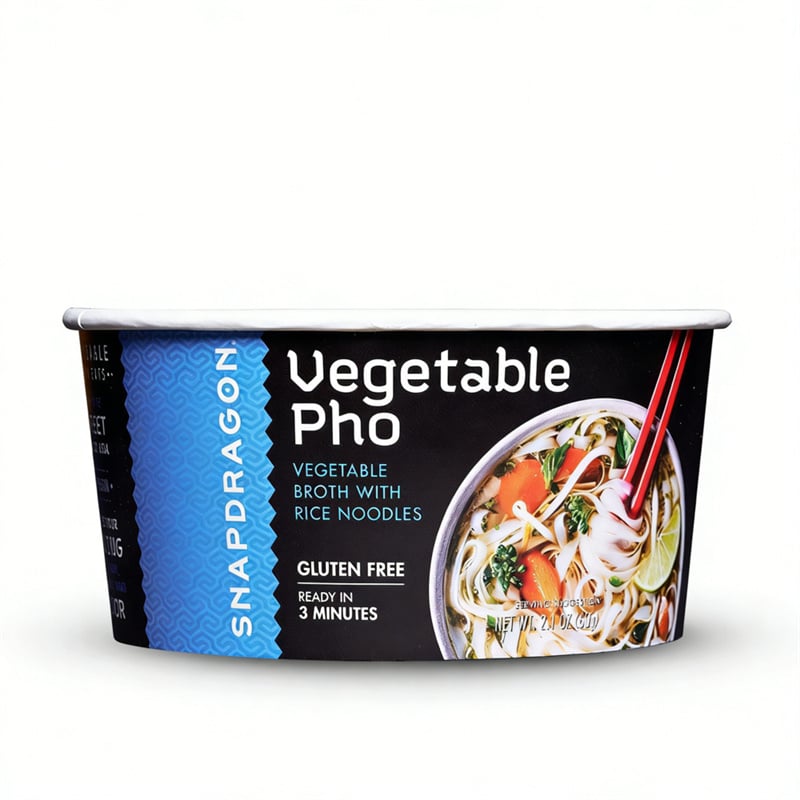
3. Noodle and Rice Paper Bowls
Noodle and rice bowls are specially designed for meals that require larger capacity and stronger structures.
They are commonly used for:
· Instant noodles
· Rice dishes
· Pasta
· Curry meals
· Asian takeaway foods
These bowls usually require better heat insulation and higher stiffness because hot foods can remain inside for a longer period.
Important features:
· Large capacity options
· Strong bottom construction
· Heat-resistant materials
· Suitable for delivery services
4. Ice Cream and Dessert Paper Bowls
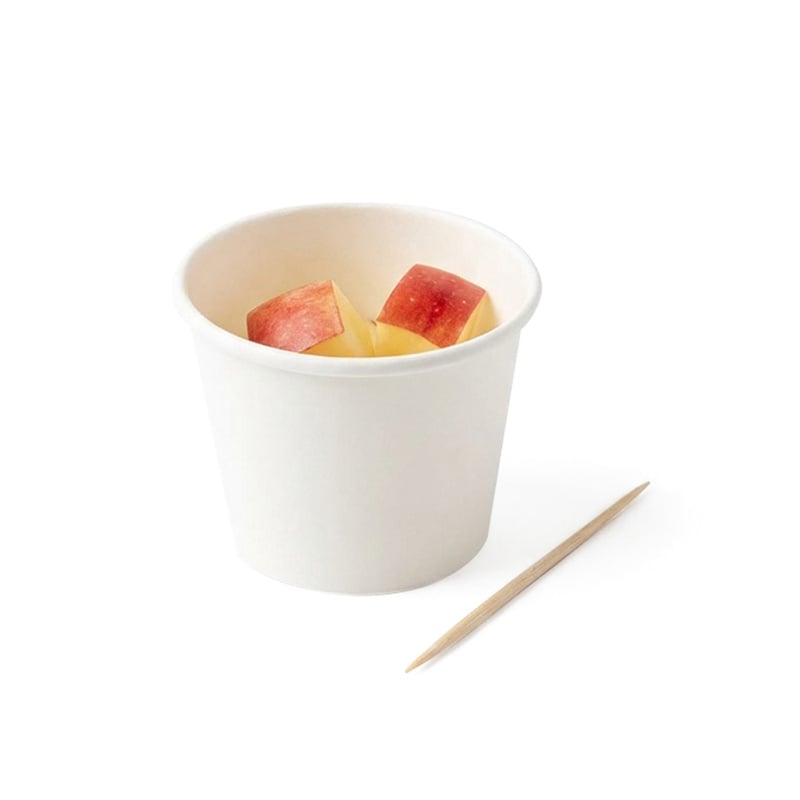
Small paper bowls are commonly used for ice cream, frozen desserts, cakes, and snacks.
Compared with hot food bowls, dessert paper bowls focus more on appearance, branding, and customer experience.
Features include:
· Compact sizes
· Custom printing options
· Food-safe coatings
· Attractive appearance
They are commonly used by:
· Ice cream shops
· Dessert brands
· Beverage chains
· Event catering companies
5. Kraft Paper Bowls
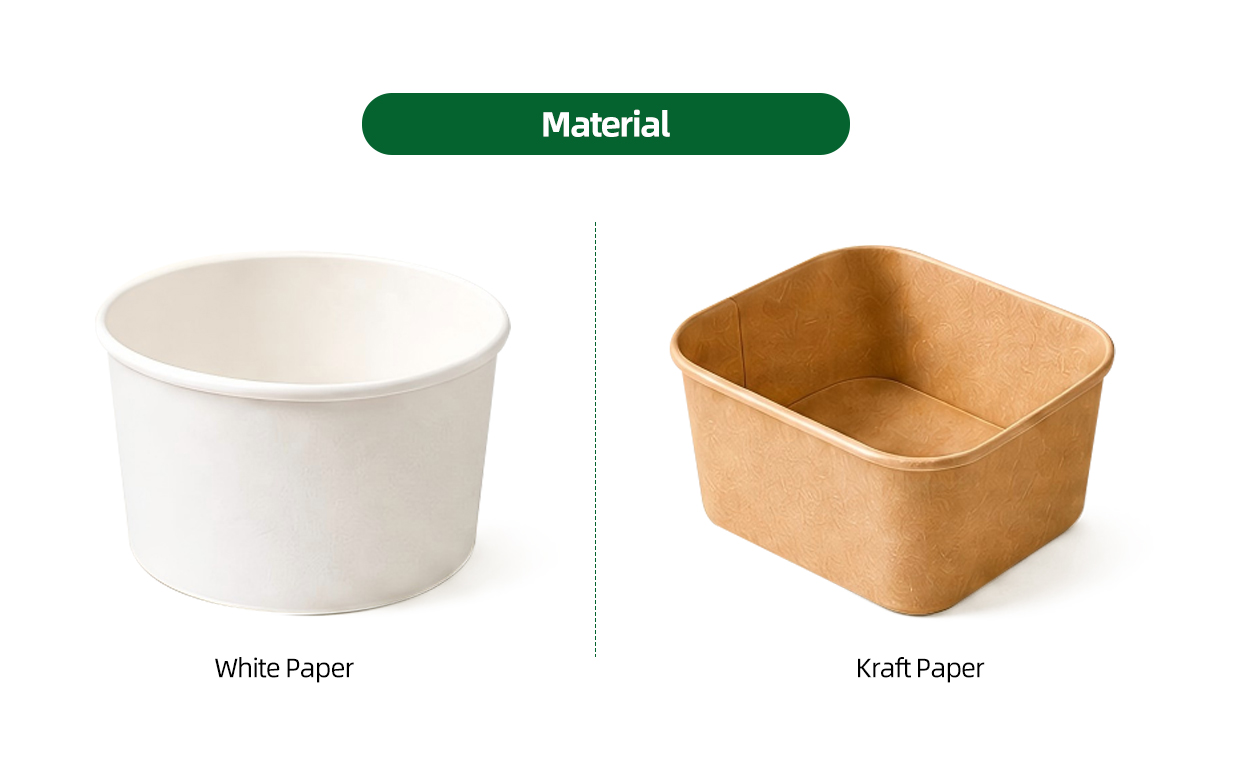
Kraft paper bowls have become increasingly popular because of their natural appearance and environmentally friendly image.
The brown kraft color gives products a premium and organic look, making them especially suitable for brands focusing on sustainability.
Advantages:
· Natural appearance
· Strong brand recognition
· Suitable for eco-conscious customers
· Good printing performance
Common uses:
· Organic food packaging
· Premium takeaway meals
· Sustainable restaurants
Paper Bowl Materials and Coating Options
The performance of a paper bowl depends greatly on its material and coating technology.
PE Coated Paper Bowls
PE coating is one of the most common solutions for disposable food packaging.
Advantages:
· Good waterproof performance
· Excellent durability
· Cost-effective
· Suitable for hot and cold foods
PE-coated paper bowls are widely used in restaurants and takeaway businesses.
PLA Coated Paper Bowls
PLA coating is a plant-based alternative designed for businesses looking for more sustainable packaging options.
Advantages:
· Made from renewable resources
· Plastic-free appearance
· Suitable for eco-friendly brands
However, PLA bowls usually require more consideration regarding storage conditions and application requirements.
How to Choose the Right Paper Bowl for Your Business?
Selecting the correct paper bowl depends on several factors:
1. Food Type
Different foods require different packaging structures.
For example:
· Soup requires strong leak resistance
· Salad requires wider openings
· Frozen desserts require suitable cold resistance
2. Bowl Capacity
Common paper bowl sizes include:
| Food Application | Typical Capacity |
| Dessert | 4oz - 8oz |
| Salad | 12oz - 32oz |
| Soup | 12oz - 32oz |
| Noodles & Meals | 16oz - 40oz |
Choosing the correct size helps improve customer experience and reduce packaging waste.
3. Custom Printing Requirements
For restaurants and food brands, packaging is also a marketing tool.
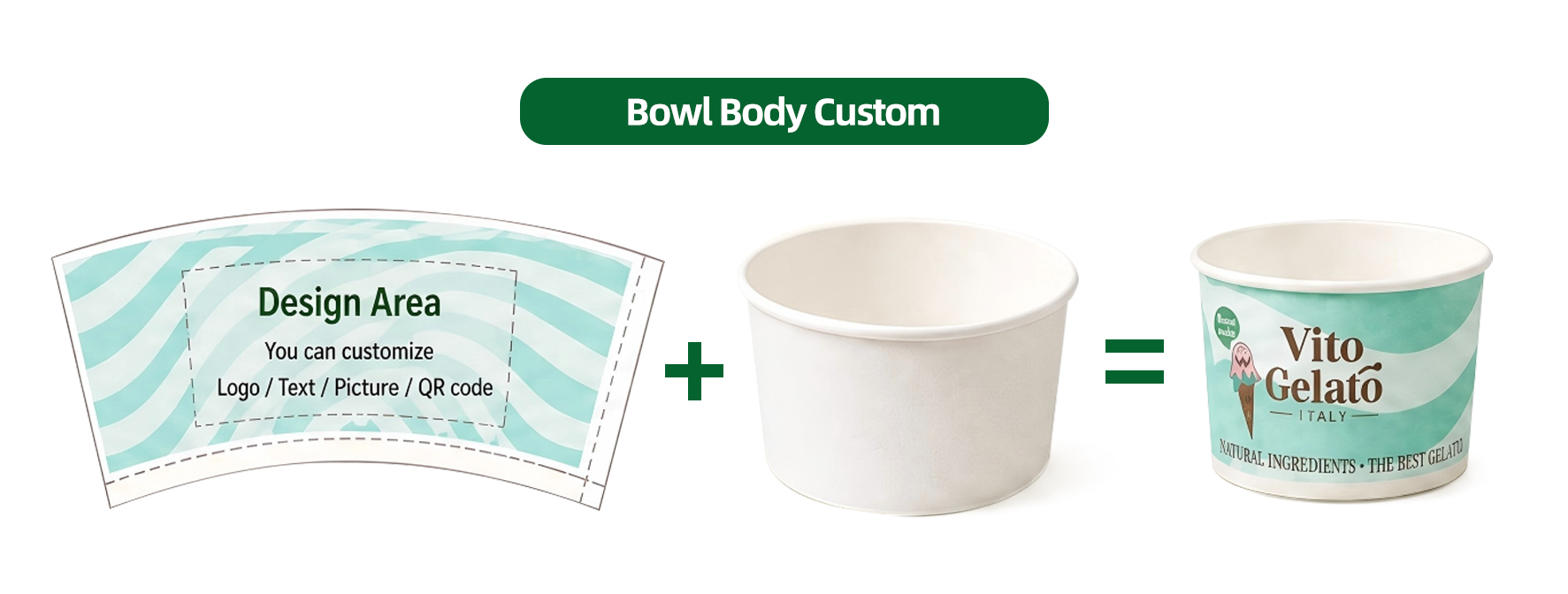
Custom paper bowls can include:
· Brand logo
· Company colors
· Product information
· Promotional designs
Custom printing helps businesses increase brand recognition and create a professional takeaway experience.
Paper Bowl Lids and Accessories
Paper bowls are often used together with packaging accessories to improve convenience.
Common accessories include:
· Paper bowl lids
· Plastic lids
· Wooden spoons
· Forks
· Napkins
· Paper bags
A complete packaging solution helps businesses improve food delivery safety and customer satisfaction.
Why Choose Custom Paper Bowls?
Custom paper bowls provide more than just food protection. They also help businesses build a stronger brand identity.
Benefits include:
· Increased brand visibility
· Professional packaging appearance
· Better customer experience
· Suitable for restaurants and food chains
· Flexible sizes and printing options
Working with an experienced paper bowl manufacturer allows businesses to customize materials, designs, and packaging solutions according to their specific needs.
Conclusion
Understanding different paper bowl types for food packaging helps businesses choose the right solution for their products. Whether you need soup bowls, salad bowls, noodle containers, dessert bowls, or customized branded packaging, selecting the correct structure and material is essential.
As demand for convenient and sustainable food packaging continues to grow, paper bowls remain an excellent choice for restaurants, catering companies, and food brands worldwide.
Choosing a reliable paper bowl manufacturer can help ensure consistent quality, competitive pricing, and customized packaging solutions for your business.