EN
EN



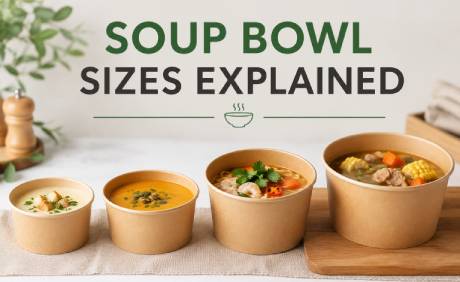
Choosing the right paper soup bowl size is more important than many food businesses realize. The correct capacity not only improves food presentation but also helps reduce packaging costs, prevent spills during delivery, and enhance customer satisfaction.
Whether you operate a restaurant, café, food truck, meal delivery service, or catering business, understanding different disposable soup bowl sizes will help you select packaging that perfectly matches your menu.
In this guide, we'll explain the most common soup bowl sizes, their dimensions, recommended food applications, and tips for choosing the best option.
Why Soup Bowl Size Matters
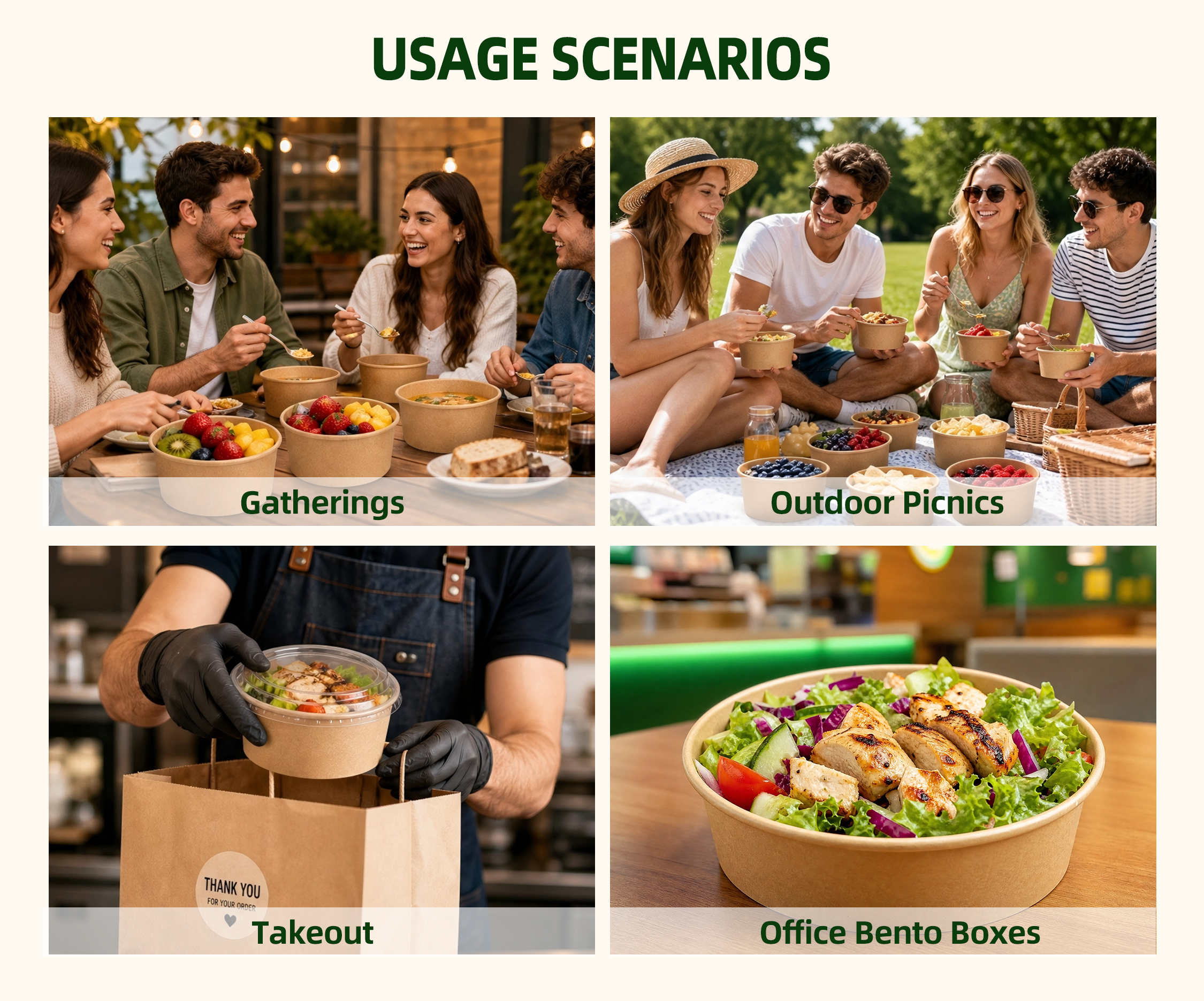
Soup bowls are no longer used only for soups. Modern disposable paper bowls are widely used for:
· Hot soups
· Stews
· Chili
· Noodles
· Rice dishes
· Curry
· Pasta
· Salads
· Poke bowls
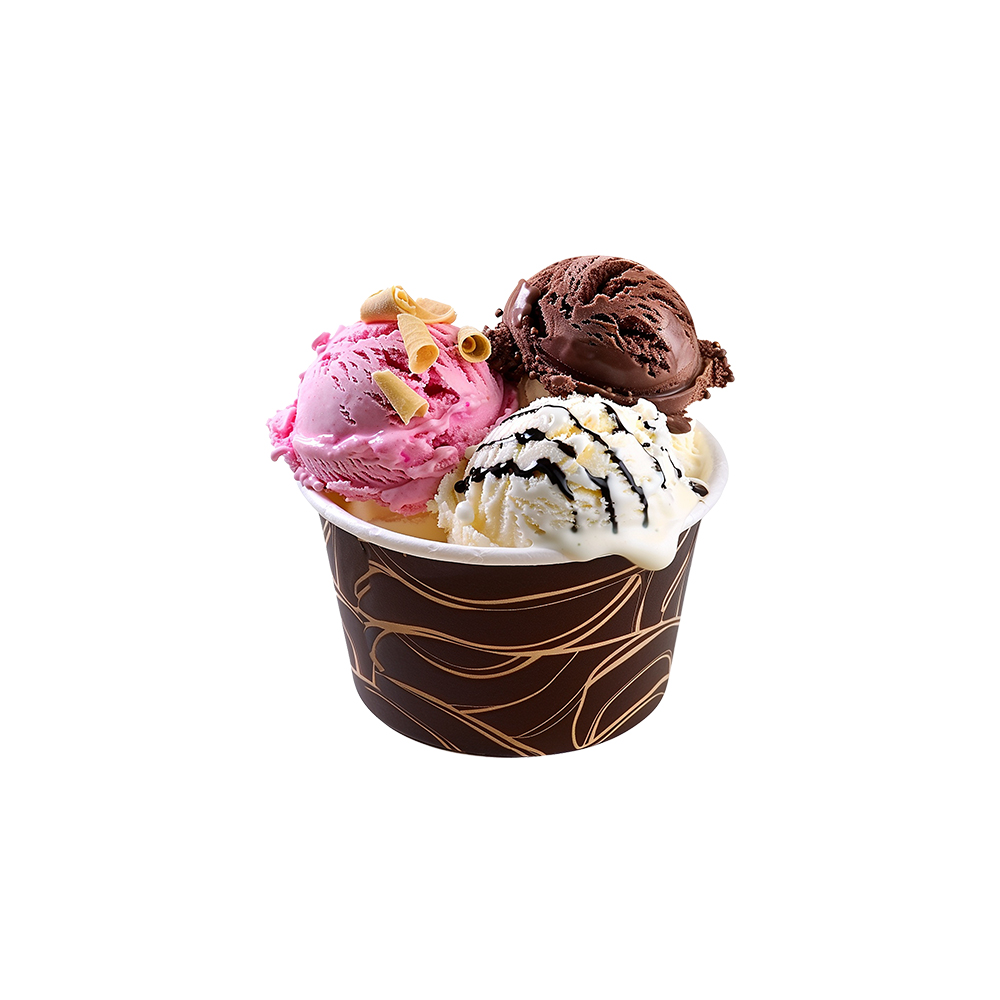
· Frozen desserts
Choosing the wrong size can lead to:
· Food overflowing
· Poor presentation
· Higher packaging costs
· Increased leakage risk
· Customer complaints
Selecting the proper size improves both functionality and customer experience.
Common Disposable Soup Bowl Sizes
The following capacities are the most widely used in the food packaging industry.
8 oz (240 ml)
Best for:
· Soup samples
· Side dishes
· Small appetizers
· Sauces
· Desserts
Typical dimensions:
| Capacity | Top Diameter | Bottom Diameter | Height |
| 8 oz | 90 mm | 75 mm | 62 mm |
Advantages:
· Compact
· Cost-effective
· Easy to stack
· Ideal for tasting portions
12 oz (360 ml)
Perfect for:
· Cream soups
· Chowders
· Small noodle portions
· Rice servings
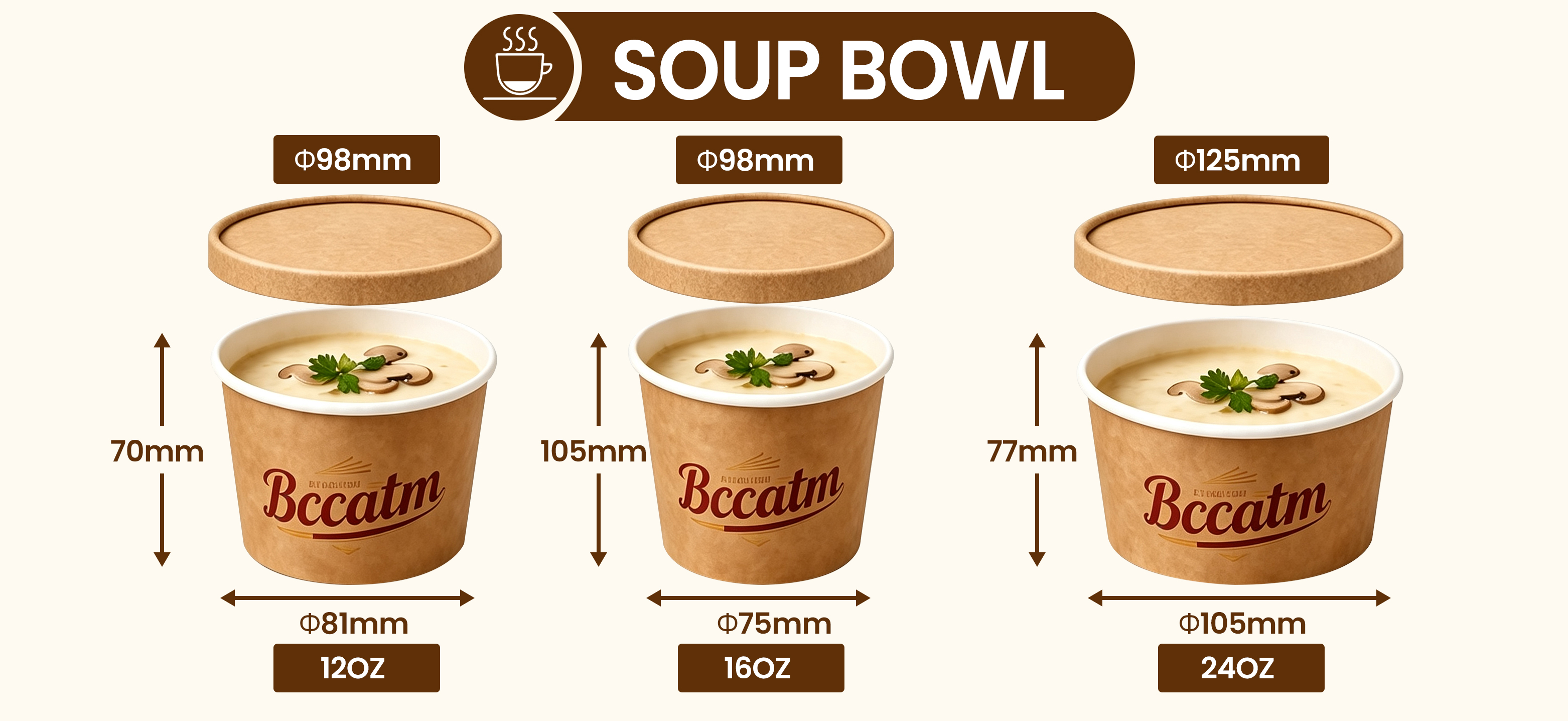
Typical dimensions:
| Capacity | Top Diameter | Bottom Diameter | Height |
| 12 oz | 98 mm | 82 mm | 68 mm |
Suitable for:
· Coffee shops
· Cafés
· Lunch specials
16 oz (480 ml)
The most popular soup bowl size worldwide.
Commonly used for:
· Chicken noodle soup
· Ramen
· Pho
· Curry rice
· Pasta
· Stews
Typical dimensions:
| Capacity | Top Diameter | Bottom Diameter | Height |
| 16 oz | 115 mm | 92 mm | 65 mm |
This size provides enough space for soup plus ingredients without overflowing.
24 oz (720 ml)
Best for:
· Large soups
· Rice bowls
· Poke bowls
· Salad bowls
· Grain bowls
Typical dimensions:
| Capacity | Top Diameter | Bottom Diameter | Height |
| 24 oz | 115 mm | 93 mm | 80 mm |
Ideal for:
· Food delivery
· Takeaway meals
· Meal prep businesses
32 oz (960 ml)
Designed for:
· Family-sized soups
· Large noodle bowls
· Sharing portions
· Meal kits
Typical dimensions:
| Capacity | Top Diameter | Bottom Diameter | Height |
| 32 oz | 115 mm | 90 mm | 100 mm |
Often used by:
· Asian restaurants
· Fast casual chains
· Catering companies
Soup Bowl Size Comparison Table
| Capacity | Approx. Volume | Best For | Typical Users |
| 8 oz | 240 ml | Samples, sauces | Restaurants |
| 12 oz | 360 ml | Small soups | Cafés |
| 16 oz | 480 ml | Standard soups | Most restaurants |
| 24 oz | 720 ml | Rice bowls, salads | Delivery brands |
| 32 oz | 960 ml | Large meals | Catering & family meals |
Which Soup Bowl Size Should You Choose?
Different menu items require different capacities.
| Food Type | Recommended Size |
| Soup Samples | 8 oz |
| Cream Soup | 12 oz |
| Chicken Soup | 16 oz |
| Ramen | 16–24 oz |
| Pho | 24 oz |
| Curry Rice | 24 oz |
| Salad Bowl | 24 oz |
| Poke Bowl | 24 oz |
| Family Soup | 32 oz |
Choosing the Right Bowl Diameter
Capacity isn't the only specification that matters.
The bowl's opening diameter determines:
· Lid compatibility
· Food presentation
· Ease of eating
· Stacking efficiency
Many manufacturers standardize bowls with the same top diameter across multiple capacities, allowing businesses to use a single lid size for different bowl volumes. This simplifies inventory management and reduces purchasing costs.
Paper Soup Bowl Materials
Modern disposable soup bowls are available in several material options.
PE-Coated Paper
Features:
· Excellent leak resistance
· Suitable for hot foods
· Affordable
· Widely used
PLA-Coated Paper
Advantages:
· Plant-based lining
· Industrially compostable
· Eco-friendly branding
· Suitable for sustainable packaging programs
Double PE Coating
Recommended for:
· Frozen foods
· Ice cream
· Foods containing large amounts of liquid
· Extended storage
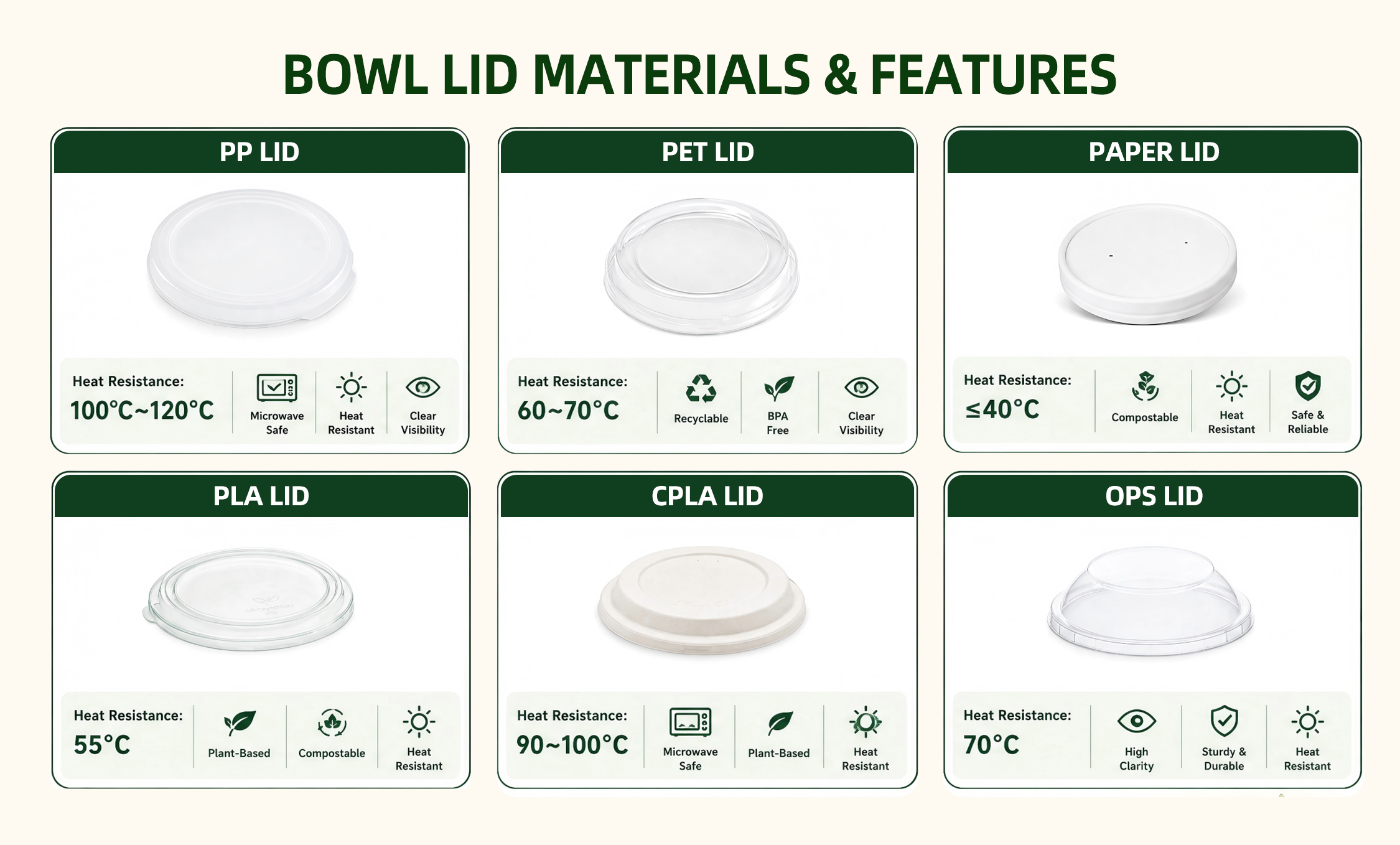
Matching Soup Bowls with Lids
A well-fitting lid is just as important as the bowl itself.
Popular lid options include:
· PP plastic lids
· PET clear lids
· Kraft paper lids
· Vented lids for hot foods
Benefits include:
· Leak prevention
· Better heat retention
· Safe transportation
· Improved customer experience
Always verify that the lid matches the bowl's diameter and design.
Conclusion
Selecting the right paper soup bowl size is essential for delivering food safely, presenting meals professionally, and controlling packaging costs. From compact 8 oz bowls for samples to spacious 32 oz bowls for family meals, each size serves a specific purpose.
By considering your menu, portion sizes, delivery requirements, and preferred materials, you can choose soup bowls that improve both operational efficiency and customer satisfaction. Partnering with an experienced manufacturer also ensures consistent quality, reliable lid compatibility, and customizable packaging solutions for your brand.